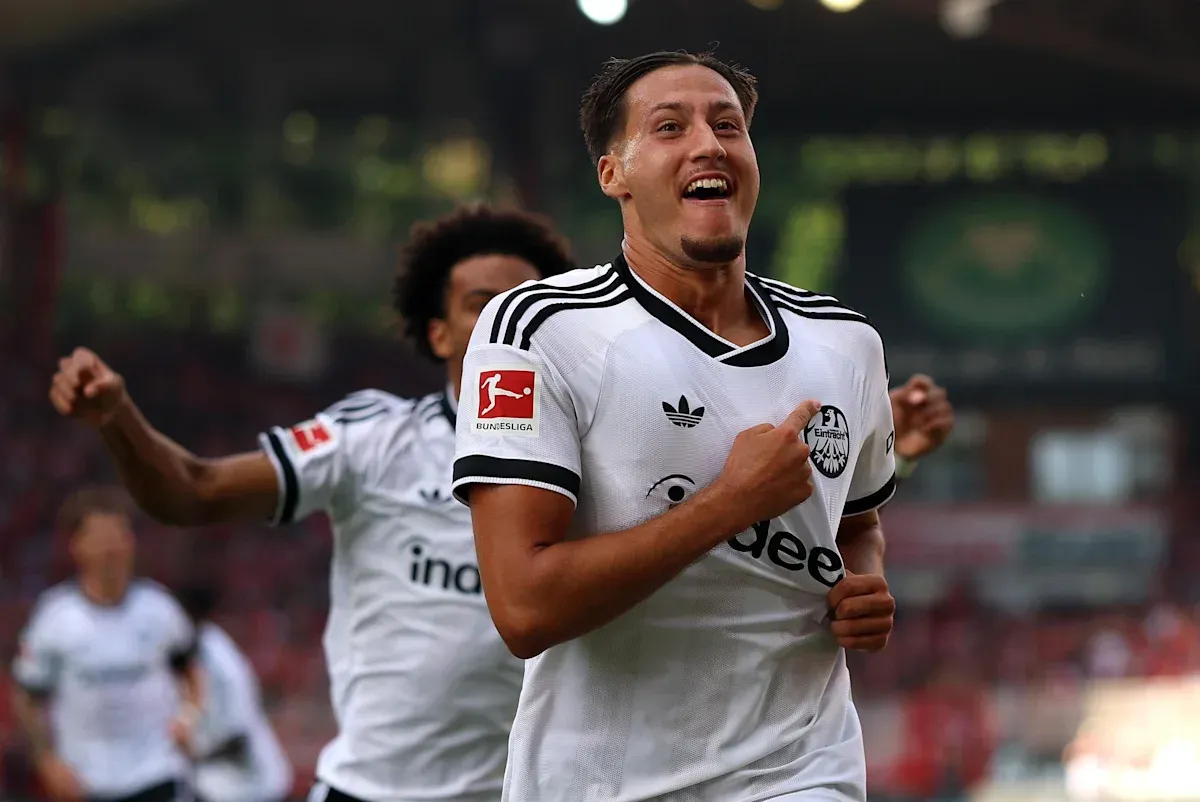
The German national team has long struggled with finding a reliable striker, a problem that has persisted despite the country’s rich history in producing world-class forwards. However, Jürgen Klopp, Liverpool’s charismatic manager, may have discovered a solution to this persistent issue. As the German Football Association (DFB) continues its search for a more potent attacking force, Klopp's potential strategies and player developments could revitalize Germany’s frontline.
Reinventing the Attack
Germany has witnessed a dearth of traditional number nines ever since Miroslav Klose retired. The team’s recent international performances have often been marred by the lack of a clinical finisher. However, Klopp’s influence, renowned for its attacking prowess at Liverpool, might offer a blueprint for success.
Klopp’s approach emphasizes fluid, dynamic forward play, which could be key to solving Germany’s striker conundrum. His methodology involves using versatile forwards who can interchange positions, akin to the roles played by players like Roberto Firmino, Mohamed Salah, and Sadio Mané during Liverpool’s title-winning seasons.
Emerging Talents
Under Klopp’s guidance, several German forwards have begun to shine at club level, demonstrating the potential to fill the void at the national level. Names like Kai Havertz, Timo Werner, and the up-and-coming Youssoufa Moukoko have shown glimpses of brilliance that could translate well under a system inspired by Klopp.
- Kai Havertz: Although primarily an attacking midfielder, Havertz has shown his ability to play as a false nine, offering creativity and goal-scoring ability.
- Timo Werner: After a challenging stint at Chelsea, Werner’s return to RB Leipzig has seen him regain form, showcasing his speed and finishing.
- Youssoufa Moukoko: The Borussia Dortmund prodigy, known for his agility and clinical finishing, represents a promising future.
Strategic Implications
Klopp’s strategic insights could be pivotal in shaping the future of Germany’s attack. His philosophy of high pressing and quick transitions aligns well with the skill sets of emerging talents, potentially transforming Germany’s offensive play in upcoming tournaments.
As Germany gears up for euro'>UEFA Euro 2024, hosted on home soil, the stakes could not be higher. The expectation is immense, and the opportunity to integrate Klopp’s winning strategies into the national setup might just be the catalyst needed to address the striker issue once and for all.
While Klopp remains committed to Liverpool, his influence on the German game is undeniable. Whether directly or indirectly, his vision and approach could indeed be the antidote to Germany’s enduring striker woes, offering hope to fans and a new tactical horizon for the national team.
Read Full Article Here