In a dramatic escalation of tensions between two of soccer's most powerful governing bodies, FIFA has accused UEFA of orchestrating a 'smear campaign' amid demands for documents related to FIFA's proposed World Cup investor plan. This development unfolds as the global soccer landscape continues to evolve, with financial and competitive interests at an all-time high.
The controversy centers around FIFA's ambitious project to secure substantial investment for the World Cup, aiming to enhance the tournament's global appeal and financial viability. However, UEFA, representing European soccer's governing body, has expressed significant concerns over the transparency and implications of this plan, demanding the disclosure of pertinent documents.
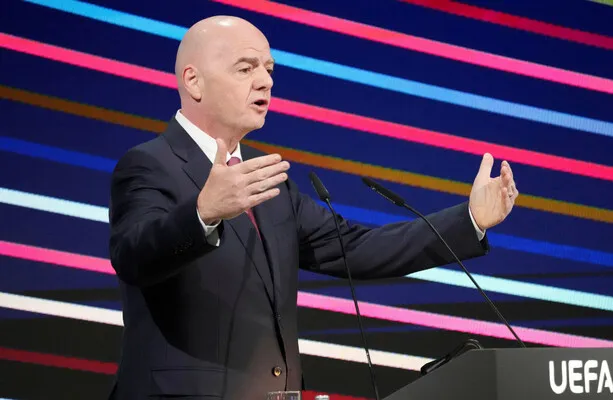
FIFA, in a strongly worded statement, asserted that UEFA's actions amount to a deliberate attempt to undermine the investor plan, labeling it a 'smear campaign' designed to sow discord and skepticism among stakeholders. The statement emphasized FIFA's commitment to transparency and its willingness to engage in constructive dialogue, but criticized UEFA for what it described as 'unfounded' allegations.
Underlying Tensions
This clash highlights the broader power struggle between FIFA and UEFA, two organizations that frequently find themselves at odds over the direction of international soccer. FIFA's initiative to revamp the World Cup with new investments is seen by some as an effort to expand its influence and modernize the sport, while UEFA is concerned about maintaining competitive balance and safeguarding the interests of European clubs and leagues.
UEFA's demands for documentation are rooted in its insistence on understanding the full scope and potential impact of FIFA's investor plan. Critics within UEFA argue that without full disclosure, the plan could disproportionately benefit certain stakeholders, potentially disrupting established competitions and revenue streams.
The Path Forward
As the situation develops, the global soccer community watches closely to see how this dispute will affect upcoming tournaments and the overall governance of the sport. Stakeholders from clubs, leagues, and other confederations are likely to weigh in, potentially influencing the outcome of this high-stakes conflict.
For now, both FIFA and UEFA appear entrenched in their positions, with the former advocating for innovation and growth, and the latter championing transparency and stability. The resolution of this dispute could set a precedent for future interactions between soccer's leading bodies, shaping the sport's direction for years to come.
Read Full Article Here