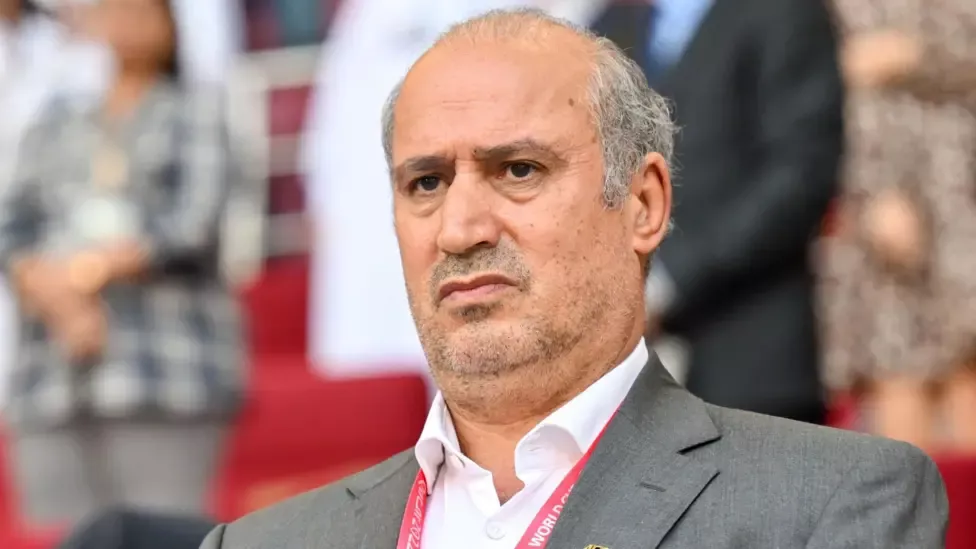
In a recent statement, the head of Iran’s football federation, Mehdi Taj, addressed circulating rumors regarding the hosting duties of the FIFA World Cup, stating unequivocally that the event’s management and hosting responsibilities lie solely with FIFA, not any single nation, including the United States.
As the world gears up for the 2026 FIFA World Cup, which will uniquely take place across three North American countries – the United States, Canada, and Mexico – there has been some confusion and speculation regarding the role that the United States plays in the tournament’s organization.
Clarifying Misconceptions
Taj’s comments come amidst whispers within the football community suggesting that the United States is taking a leading role in the World Cup’s operations beyond being one of the host nations. In his statement, Taj emphasized, “The World Cup is organized by FIFA, and while host countries provide the venues and infrastructure, the ultimate authority and management are under FIFA’s purview.”
His remarks aim to reaffirm the international nature of the tournament, ensuring that it remains a global event rather than being seen as dominated by any single nation.
FIFA’s Role in the World Cup
FIFA, the international governing body of football, is responsible for the oversight of the World Cup, including key decisions about scheduling, officiating, and the overall conduct of the tournament. While the 2026 World Cup will see an unprecedented level of collaboration between three host nations, FIFA’s integral role remains unchanged.
- Event Management: FIFA orchestrates all aspects of the World Cup, from the draw to the final match.
- Regulatory Compliance: Host nations must adhere to FIFA’s regulations and standards.
- Global Representation: The World Cup is a celebration of global football, meant to unify teams and fans from across the world.
The 2026 World Cup is set to be a landmark event, featuring an expanded format with 48 teams and matches played across 16 cities in the three host nations. Despite the logistical complexities, FIFA’s leadership ensures the tournament will maintain its reputation as the pinnacle of international football.
As nations prepare for this monumental event, Taj’s reminder underscores the importance of recognizing FIFA’s central role in maintaining the World Cup’s legacy as a truly international celebration of sport.
Read Full Article Here