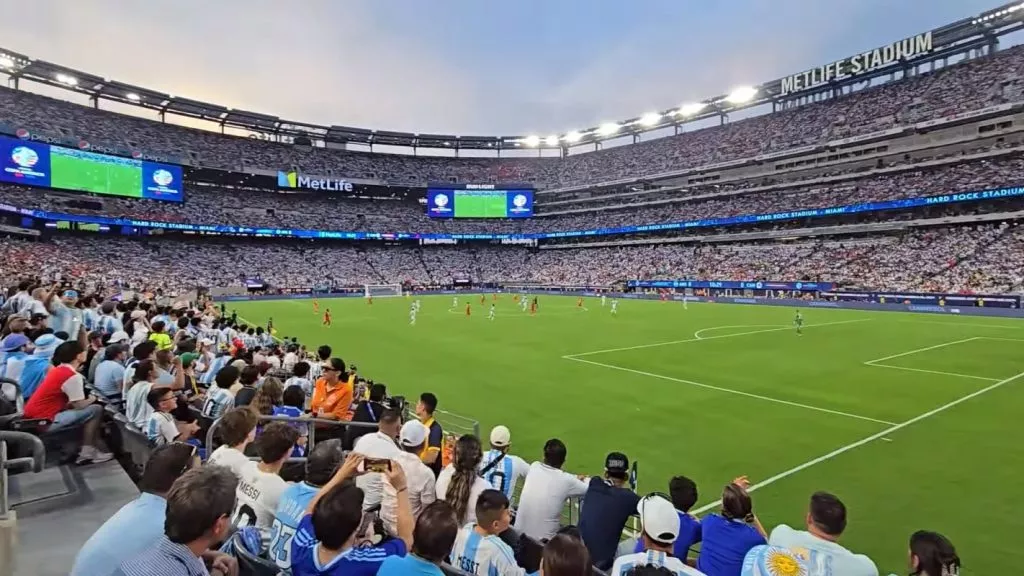
The chatter surrounding a potential European boycott of the upcoming FIFA World Cup has intensified in the wake of renewed political tensions, notably sparked by former U.S. President Donald Trump's controversial proposition to purchase Greenland. This geopolitical move has ruffled feathers across Europe, igniting a debate that extends beyond politics and into the world of sports.
Political Tensions Affecting Sports
The notion of acquiring Greenland, an autonomous territory of Denmark, was met with widespread derision and condemnation from European leaders. This diplomatic rift has since trickled into discussions within the sports community, where calls for a boycott of global events like the World Cup are gaining momentum.
While the World Cup often serves as a platform for international unity, these recent developments have led to questions about whether sporting events should be leveraged as a form of political protest. Such actions have historical precedence, as seen in events like the 1980 Moscow Olympics boycott.
Reactions from European Nations
- Denmark: As Greenland is a part of the Kingdom of Denmark, Danish officials have been particularly vocal in their opposition to Trump's proposition, and discussions of a World Cup boycott have been particularly fervent in Denmark.
- Germany: German politicians and sports officials have expressed solidarity with Denmark, suggesting that a collective European stance might be necessary to address political grievances on the global stage.
- France: France has traditionally been a strong supporter of using sports as a unifying factor but is now weighing the potential impact of political actions on the sporting world.
The Road Ahead
While the World Cup remains on the horizon, the political climate suggests that discussions about boycotts are far from over. European football associations are scheduled to meet in the coming months to debate their course of action. It remains to be seen whether this chatter will transform into a definitive stance or if cooler heads will prevail, allowing sports to remain a separate entity from political disputes.
As the situation unfolds, soccer fans and political analysts alike will be watching closely to see how European nations navigate this complex intersection of sport and politics.
Read Full Article Here