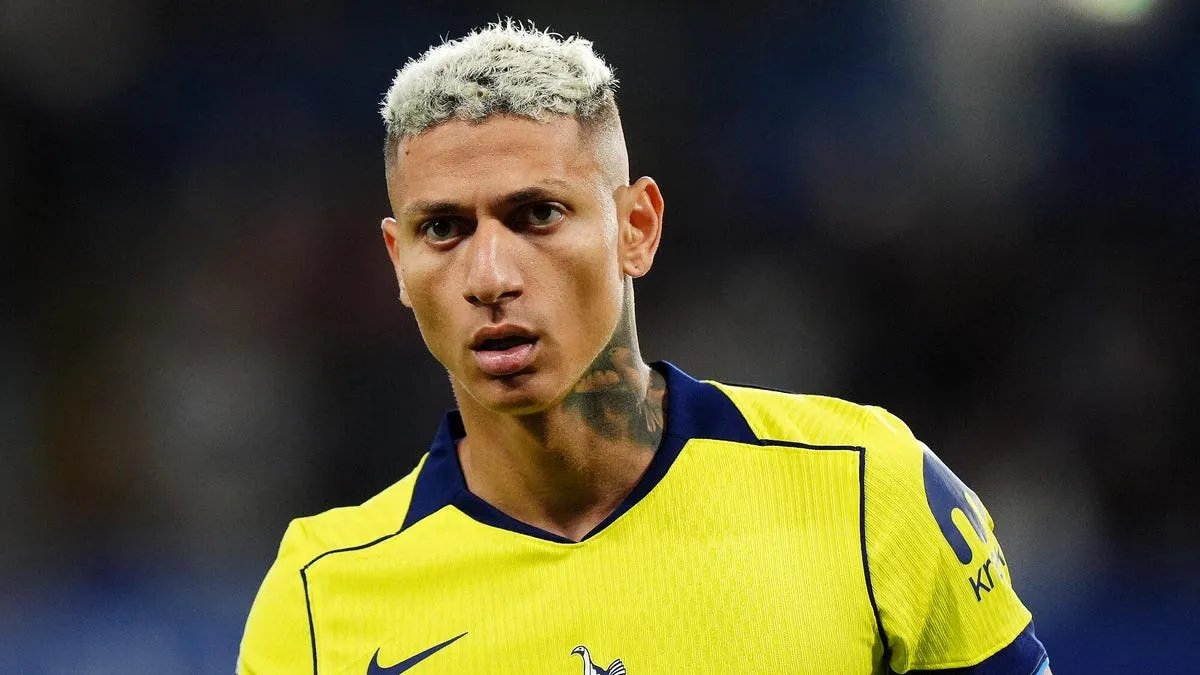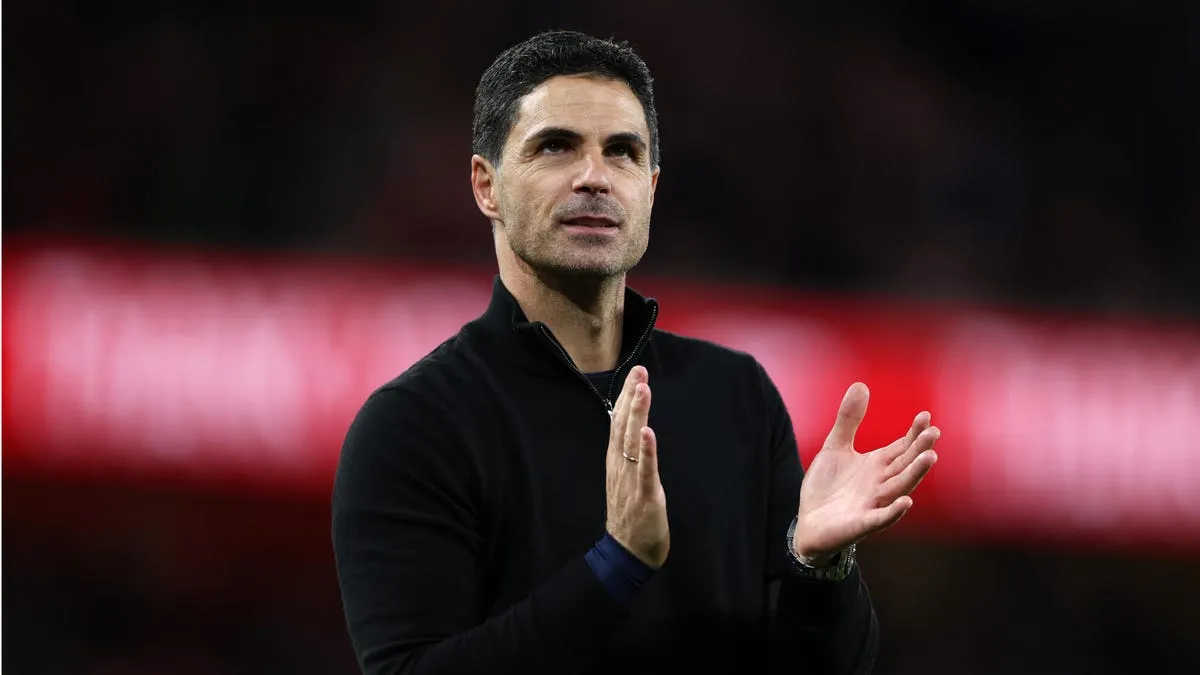
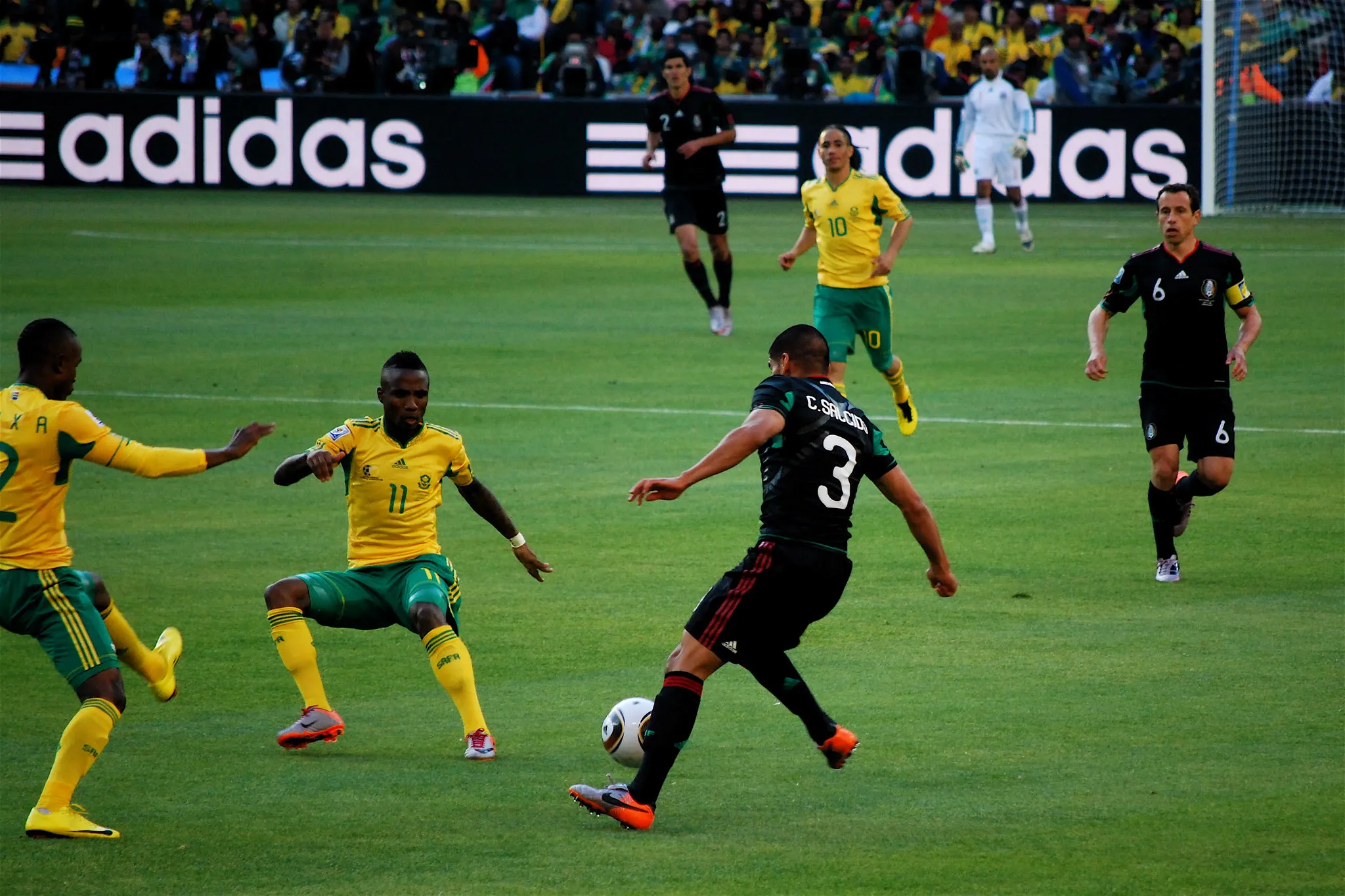
Soccer, often regarded as the world's most popular sport, has a storied history of intertwining with political movements and social causes. From the iconic raised fists of Tommie Smith and John Carlos at the 1968 Olympics to the more recent 'Taking the Knee' movement in the Premier League, the sport has frequently been a platform for athletes to express political beliefs.
The Tradition of Political Expression
Throughout history, soccer has been a powerful medium for social and political commentary. Clubs like FC St. Pauli in Germany have built their identities around progressive politics, embracing causes such as anti-racism, anti-fascism, and LGBTQ rights. Similarly, players like Marcus Rashford have used their influence to challenge governmental policies, particularly when it comes to issues like child poverty.
Why Remain Apolitical?
Despite this rich tradition, there are compelling reasons why some players and clubs choose to remain apolitical. One primary concern is the potential alienation of fans. Soccer clubs boast diverse fan bases, often spanning multiple countries and cultures, each with its own set of political beliefs. Engaging in political discourse can risk dividing this support.
Moreover, the commercial aspects of modern soccer cannot be ignored. With sponsorships and endorsements playing a crucial role in a club's financial health, aligning with any particular political ideology can jeopardize these relationships. Many sponsors prefer to steer clear of controversy to maintain a wide consumer appeal.
The Balance Between Influence and Neutrality
The challenge for many in the soccer community is finding the right balance between wielding influence for social good and maintaining a neutral stance to safeguard the sport's universal appeal. Some argue that by remaining neutral, clubs and players miss opportunities to affect positive change, while others believe that the sport's primary role is entertainment, not activism.
Ultimately, whether a player or club chooses to engage with political issues or remain apolitical is a personal decision, often influenced by a complex mix of personal beliefs, career considerations, and the broader environment within their leagues and communities. As the world continues to grapple with significant social and political challenges, this debate within soccer is unlikely to fade anytime soon.
Read Full Article Here