
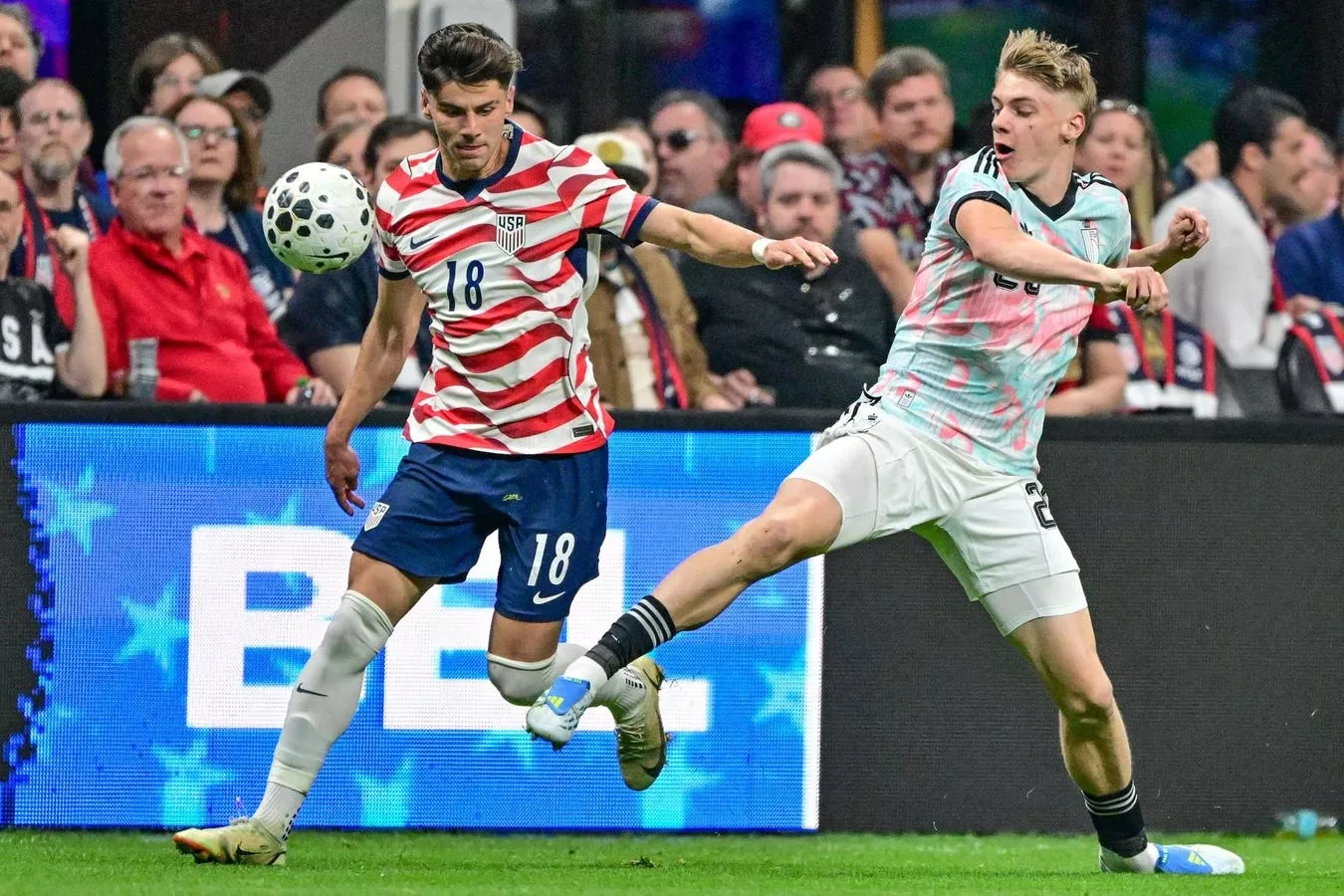
The United States has made significant strides in developing its soccer landscape over the past few decades. With Major League Soccer (MLS) expanding, and more Americans playing in top European leagues, one might wonder why the U.S. hasn’t emerged as a global powerhouse in soccer. Several factors contribute to this phenomenon, ranging from cultural preferences to developmental strategies.
Cultural Preferences and Historical Context
Soccer, or football as it is known globally, plays second fiddle to sports like American football, basketball, and baseball in the U.S. These sports have deep-rooted traditions and massive followings, overshadowing soccer’s popularity. While soccer enjoys a growing fan base, particularly among younger generations, it has yet to capture the national imagination in the way other sports do.
Developmental Pathways and Investment
The developmental structure in the U.S. soccer system differs from that of traditional soccer powerhouses. In countries like Brazil, Germany, and Spain, youth development is heavily integrated with professional clubs, providing a seamless transition for talented players. In the U.S., the collegiate system often acts as a bridge to professional play, which can dilute the intensity and focus needed during crucial developmental years.
Furthermore, while the U.S. Soccer Federation has invested significantly in youth academies and infrastructure, it competes against countries with a long history of soccer excellence and established player pipelines. The pay-to-play model also limits access for many talented young players who cannot afford academy fees.
International Competitions and Player Experience
The U.S. Men’s National Team (USMNT) has shown promise, notably reaching the knockout stages of the FIFA World Cup on multiple occasions. However, the team’s inconsistency at major tournaments highlights the need for a more robust competitive environment domestically. While MLS continues to grow, it still competes with leagues like the English Premier League and Spain’s La Liga for global talent and viewership.
The Road Ahead
Despite these challenges, there is optimism for the future of U.S. soccer. Hosting the 2026 FIFA World Cup offers a unique opportunity to galvanize national interest and investment in the sport. Moreover, the increasing number of American players excelling in Europe’s top leagues bodes well for the national team’s prospects. With continued focus on youth development and infrastructure, the U.S. has the potential to redefine its position in the global soccer hierarchy.
In conclusion, while the U.S. is not yet a global soccer powerhouse, the building blocks are steadily being put in place. A combination of cultural shift, strategic investment, and international exposure could eventually see the U.S. rise to prominence on the world stage.
Read Full Article Here