
Introduction
High-press football, once an emblem of raw energy and relentless pursuit, has transformed into a sophisticated, strategic approach in modern soccer. This evolution has seen it become a cornerstone tactic for elite teams aiming to dominate matches by controlling space and tempo.
Historical Background
The origins of high pressing can be traced back to Total Football, a revolutionary concept popularized by Rinus Michels and Johan Cruyff. The philosophy emphasized fluidity and space control, laying the groundwork for future pressing tactics. In more recent decades, managers like Jürgen Klopp and Pep Guardiola have refined these ideas, integrating them into their team strategies with remarkable success.
Tactical Evolution
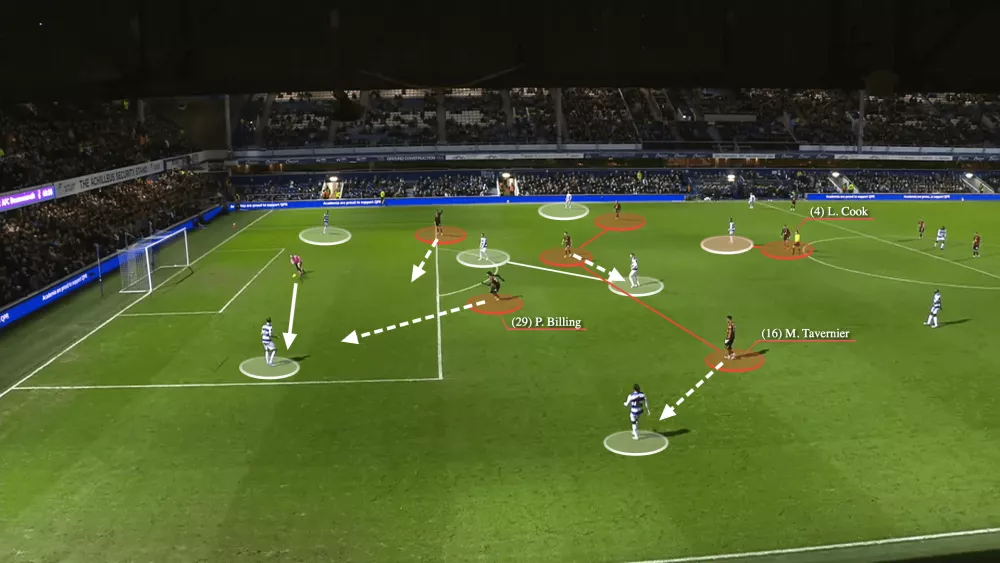
High pressing has matured from a simple aggressive approach to a more calculated system. Modern pressing involves trigger cues, compactness, and lane blocking, which require players to read the game and respond with precision. This transformation has enhanced its effectiveness and efficiency.
Why It’s Becoming More Sophisticated
- Data and Analytics: Metrics like PPDA (Passes Per Defensive Action) and positional data provide insights into pressing efficiency.
- Player Fitness and Athleticism: Today’s players cover more ground, requiring greater stamina and intelligence.
- Real-time In-game Adaptation: Teams adjust pressing strategies based on live data and opponent behavior.
Tactical Benefits in Modern Soccer
High pressing offers significant advantages, such as winning possession high up the pitch for immediate attacking opportunities and applying psychological pressure to disrupt opponents’ build-up play. Teams like Manchester City and Bayern Munich exemplify these benefits through their successful use of evolved high-press tactics.
Challenges & Risks
Despite its advantages, high pressing demands significant physical effort and flawless team coordination. Tactical counter-strategies, such as long balls or bypassing the press, can exploit weaknesses. Consequently, some teams occasionally reduce press frequency to manage fatigue or counter direct play tactics.
How High Press Is Integrated Into Different Systems
Coaches often blend high pressing with other systems. For instance, Liverpool’s gegenpressing combines intense pressing with quick transitions, while possession-oriented teams use structured pressing to maintain control.
Future Outlook
The future of high-press football will likely be shaped by advancements in data analytics, AI, and sports science. These tools will enable even more precise tactical innovations, potentially leading to new pressing strategies that enhance team performance.
Conclusion
The high press continues to evolve, profoundly impacting modern soccer tactics. Its blend of athleticism, strategy, and psychological warfare makes it a compelling trend for fans and analysts alike. What do you think about the future of high-press football? Share your thoughts and join the conversation on pressing trends in the soccer world.