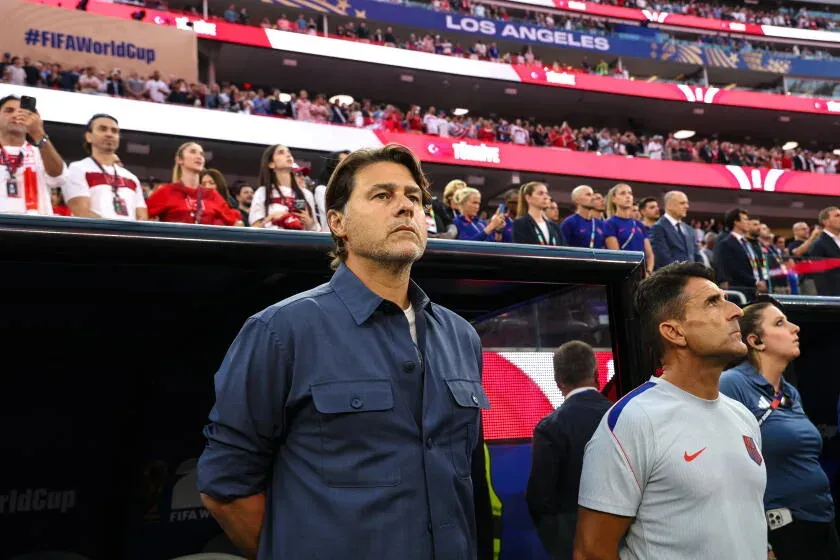
As the U.S. Men's National Team (USMNT) gears up for the 2026 World Cup, newly appointed head coach Mauricio Pochettino is laying down a strategic blueprint to elevate American soccer on the global stage. With the tournament set to be hosted across North America, including the United States, there is a heightened sense of urgency and opportunity to make a significant impact.
Pochettino's Vision for the USMNT
Having taken over the reins from Gregg Berhalter, Pochettino brings his wealth of experience from managing top clubs like Tottenham Hotspur and Paris Saint-Germain. His approach centers around a dynamic, high-pressing style of play, which he believes can harness the athletic prowess and youthful energy of the current U.S. squad.
Key Areas of Focus
- Player Development: Pochettino emphasizes nurturing young talent and integrating them into the national team. He plans to work closely with Major League Soccer (MLS) academies to ensure a steady pipeline of skilled players.
- Tactical Flexibility: Adapting to different playing styles and opponents is crucial. Pochettino is keen on developing a versatile tactical framework that can be adjusted on the fly.
- Building a Winning Mentality: Instilling a strong mindset and resilience is a priority. Pochettino aims to foster a culture of competitiveness and winning, drawing from his experiences in European competitions.
Challenges Ahead
While the prospects are promising, Pochettino faces significant challenges. Integrating emerging talents like Gio Reyna and Yunus Musah with established stars such as Christian Pulisic and Weston McKennie will require careful management. Moreover, the pressure of delivering results on home soil will be immense.
The Path Forward
As the USMNT embarks on this new chapter, Pochettino's leadership will be pivotal in shaping the team's identity and aspirations. With the 2026 World Cup on the horizon, the journey promises to be as exciting as it is demanding, with the ultimate goal of rewriting the history of American soccer.
Read Full Article Here