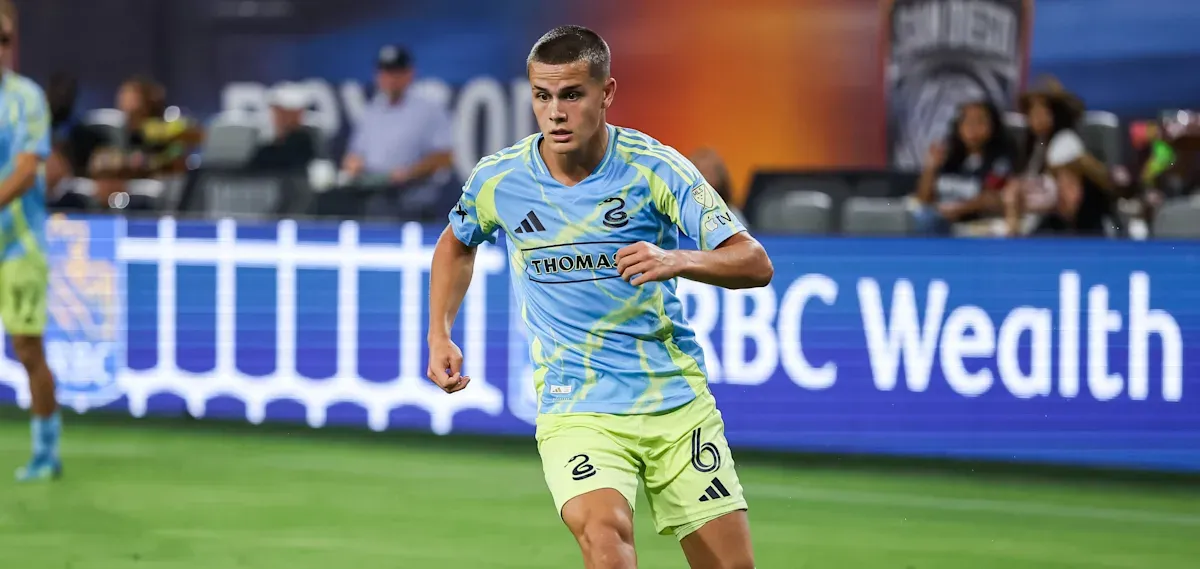

In the world of soccer, youth development serves as the cornerstone for national success. Argentina, fresh off their 2022 FIFA World Cup triumph, offers a blueprint for cultivating talent that the United States struggles to emulate. As the U.S. aims to elevate its soccer presence on the global stage, understanding the stark differences in youth development strategies becomes essential.
Emphasis on Passion and Community
Argentina's grassroots soccer culture is deeply embedded in the fabric of everyday life. From a young age, children are immersed in a passionate soccer environment, where the sport is played in streets, local fields, and neighborhood clubs. This organic exposure fosters a natural love for the game, nurturing creativity, flair, and tactical understanding.
In contrast, U.S. youth soccer often revolves around structured environments, with a heavy focus on organized leagues and tournaments. While this structure provides valuable competition, it sometimes stifles the spontaneous joy and creativity that are crucial in the formative years of a player's development.
Access and Affordability
One of Argentina's strengths lies in the accessibility of soccer. The sport is woven into the socio-economic fabric, allowing children from all backgrounds to participate without financial barriers. Local clubs often serve as community hubs, providing training and opportunities regardless of a family's income.
The U.S., however, faces challenges with its pay-to-play model, which can limit access for talented players from lower-income families. This system often prioritizes those who can afford to participate, potentially leaving behind gifted individuals who lack financial means.
Focus on Technical Skills
From an early age, Argentine youth programs emphasize technical skills and individual prowess. Coaches prioritize ball control, dribbling, and tactical intelligence, allowing players to express themselves on the field. This focus on technical excellence has consistently produced world-class talents like Lionel Messi and Paulo Dybala.
While the U.S. has made strides in recent years, there is still a tendency to prioritize athleticism and physicality, sometimes at the expense of technical development. Balancing these aspects is crucial for nurturing well-rounded players capable of competing at the highest levels.
Coaching and Mentorship
Argentine coaches are often revered for their ability to inspire and mentor young players. The emphasis is on fostering a deep understanding of the game, encouraging autonomy and critical thinking. This mentorship culture is instrumental in developing players who can adapt and excel in diverse tactical systems.
In the U.S., coaching quality varies significantly, with a need for more standardized training programs to elevate the overall level of youth coaching. Investing in coach education and development is vital to ensure that young players receive the guidance needed to reach their full potential.
Conclusion
As the U.S. looks to bolster its soccer achievements, drawing lessons from Argentina's success in youth development is crucial. By fostering a more inclusive, passion-driven environment, emphasizing technical skills, and investing in coaching, the U.S. can pave the way for a new generation of soccer stars. Bridging the gap between these two soccer giants requires understanding and innovation, ensuring that the sport continues to grow and thrive on American soil.
Read Full Article Here