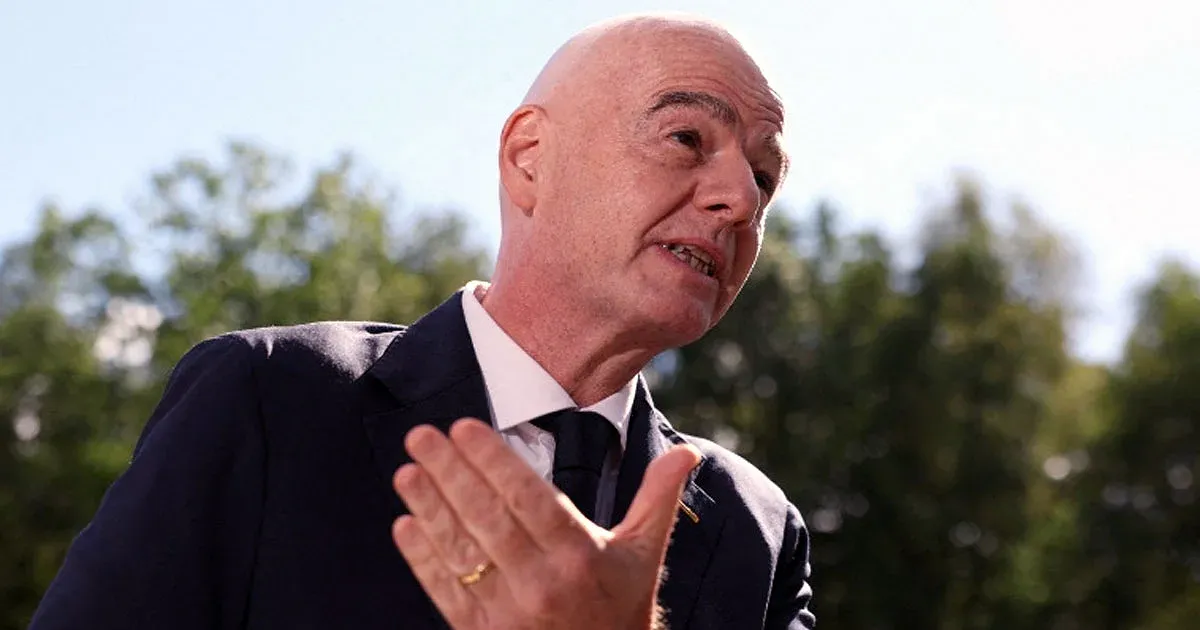
In a bold legal maneuver, UEFA has initiated proceedings against FIFA subsidiaries in the United States, seeking judicial intervention regarding the ongoing investigation into FIFA President Gianni Infantino. This unprecedented action underscores the growing tensions between the two football governing bodies.
The move comes amid an investigation into Infantino's role and conduct, which has been under scrutiny since allegations surfaced regarding potential ethical breaches. UEFA's decision to pursue the matter through the U.S. legal system highlights the complexities of international sports governance and the challenges of jurisdictional boundaries.
Background of the Investigation
Gianni Infantino, who has served as FIFA President since 2016, has faced multiple allegations concerning his management style and decision-making processes. The investigation, spearheaded by various international entities, aims to examine these claims in detail.
UEFA's involvement marks a significant escalation, as the European football body seeks transparency and accountability in a case that could have far-reaching implications for global football leadership.
Legal Implications and Reactions
The legal challenge filed in the U.S. courts calls for the disclosure of documents and communication pertinent to the investigation, which UEFA argues are crucial for a fair assessment of the allegations against Infantino.
- Transparency: UEFA insists that transparency is vital for maintaining trust in football's governance structures.
- Jurisdiction: The choice of a U.S. court is strategic, given the involvement of FIFA's subsidiaries that operate within the country.
- Stakeholder Reactions: Reactions from other football associations and stakeholders have been mixed, with some supporting UEFA's quest for clarity and others cautioning against potential overreach.
As the case unfolds, the football world watches closely, aware that the outcome could redefine governance dynamics within the sport.
Future of Football Governance
This case represents more than just a legal battle; it is a test of the resolve and integrity of football's governing bodies. The outcome could set a precedent for how internal disputes and investigations are handled, potentially prompting reforms in transparency and accountability measures across the sport.
For now, all eyes remain on the U.S. courts as UEFA and FIFA navigate this complex legal terrain, with the stakes higher than ever for the future of football governance.
Read Full Article Here