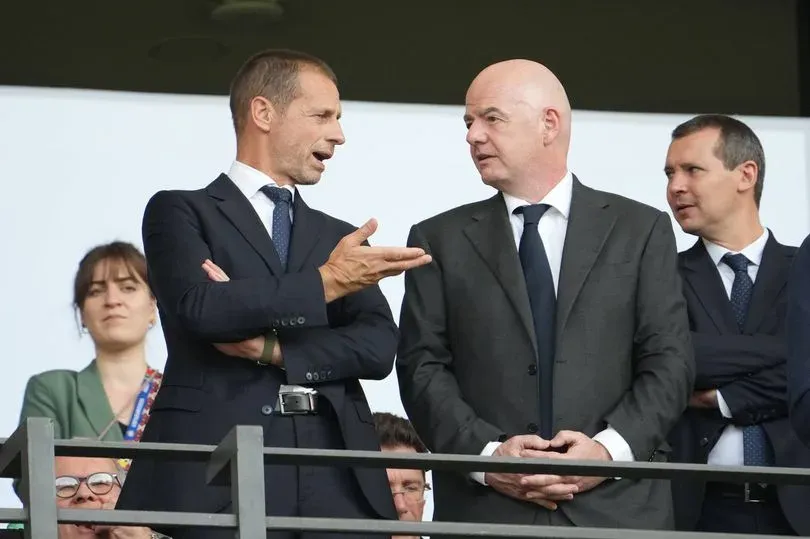
The European football governing body, UEFA, is under scrutiny after allegations surfaced that it has been orchestrating a 'smear campaign' against FIFA President Gianni Infantino. This accusation comes amidst a heated debate over Infantino's recent proposal to modify the World Cup sale plan, which has sparked considerable controversy within the global football community.
Infantino's plan, which was unveiled during a FIFA council meeting, aims to alter the structure of how World Cup broadcasting rights are sold, intending to create more equitable revenue distribution among member associations. The proposal, however, has met with significant resistance from UEFA, which argues that the changes could undermine European football's commercial interests.
Allegations of a 'Smear Campaign'
Sources close to the matter have claimed that UEFA's opposition to the proposal has gone beyond mere policy disagreement. Allegations have surfaced suggesting that UEFA has engaged in a calculated effort to discredit Infantino, painting him as a disruptor to the established order of football governance.
Gianni Infantino has not publicly commented on the accusations against UEFA, but insiders suggest that FIFA's leadership is considering a formal response to defend its position. The accusations have further strained the already tenuous relationship between FIFA and UEFA, two of the most powerful entities in world football.
Implications for Global Football
This conflict between UEFA and FIFA could have far-reaching implications for the sport. The World Cup, being the most prestigious tournament in international football, plays a crucial role in shaping the financial landscape of the sport. Any changes to its commercial framework could significantly impact stakeholders, including broadcasters, sponsors, and national associations.
Infantino's proposal aims to address concerns from smaller footballing nations that feel marginalized under the current system. By advocating for a more balanced revenue distribution model, the FIFA President seeks to bolster the financial capabilities of these associations, potentially fostering greater competitiveness on the global stage.
As the debate continues, football fans and experts alike are keeping a close watch on the developments. It remains to be seen whether UEFA and FIFA can reconcile their differences or if this dispute will escalate further, potentially affecting the upcoming World Cup cycles.
With the 2026 World Cup set to be hosted across the United States, Canada, and Mexico, the outcome of this disagreement could set a precedent for how future tournaments are organized and monetized. Stakeholders across the sport are urging both parties to engage in constructive dialogue to ensure the continued growth and success of global football.
Read Full Article Here