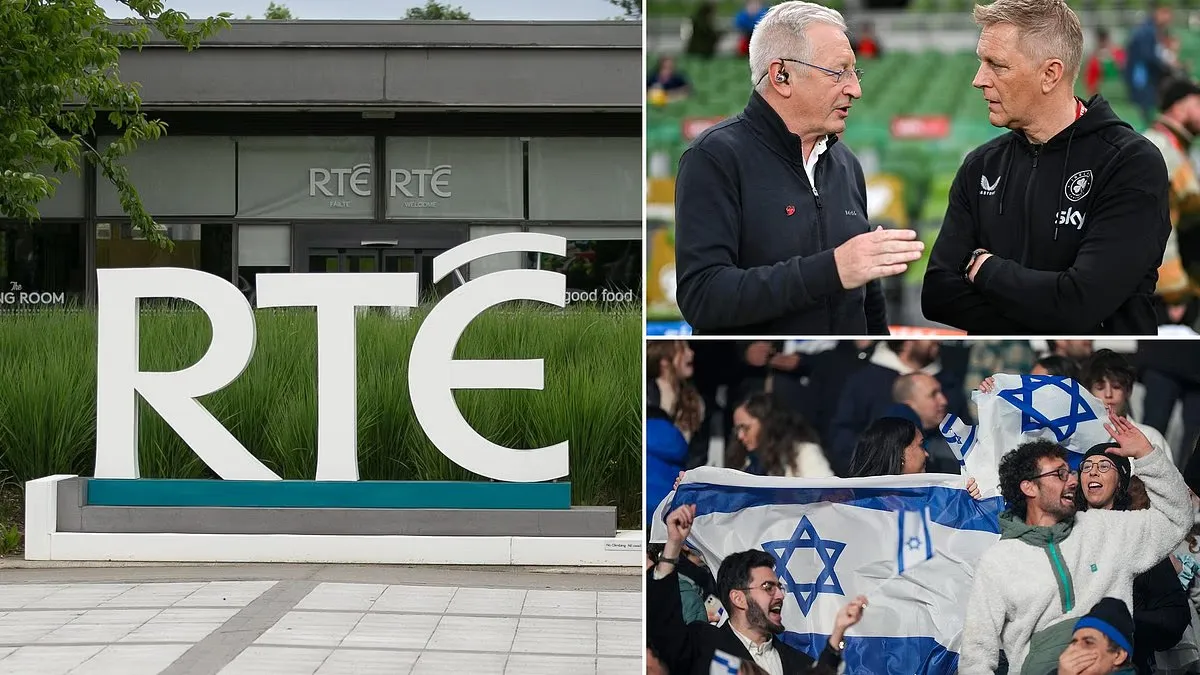
RTÉ, Ireland's national broadcaster, is facing significant internal criticism following its decision to cease radio broadcasts of Ireland's soccer matches. This move has sparked a heated debate within the organization, with insiders labeling the decision as both “dangerous and worrying.”
The contentious decision has led to speculation about its timing and motivations, particularly given the recent controversy surrounding an upcoming match between Ireland and Israel. However, RTÉ has firmly denied that the move is related to the geopolitical sensitivities of this fixture.
Insider Outrage
Several RTÉ employees, who have chosen to remain anonymous, have voiced their disapproval of the decision, emphasizing the importance of radio broadcasts in engaging a broad audience that includes those without access to television or streaming services. One insider commented, “Radio has always been a lifeline for fans who can’t watch the games live, and removing this service feels like a disservice to our loyal listeners.”
Official Response
In response to the backlash, an RTÉ spokesperson stated, “The decision to halt radio broadcasts of the matches is part of a broader strategic realignment and has no connection to any specific international fixtures, including the upcoming match against Israel.” The spokesperson further emphasized that the move is intended to optimize their broadcast resources amid financial challenges.
Fan Reactions
Irish soccer fans have also expressed their disappointment with the decision on social media platforms. Many have highlighted the historical significance of radio commentary in the sport and the unique atmosphere it brings to matchdays.
With the Football Association of Ireland (FAI) yet to comment on the situation, it remains to be seen whether RTÉ will reconsider its decision in light of the public and internal outcry.
As the controversy unfolds, stakeholders within Irish soccer and broadcasting will be closely monitoring the implications of this decision, both on the fans and the broader media landscape.
Read Full Article Here