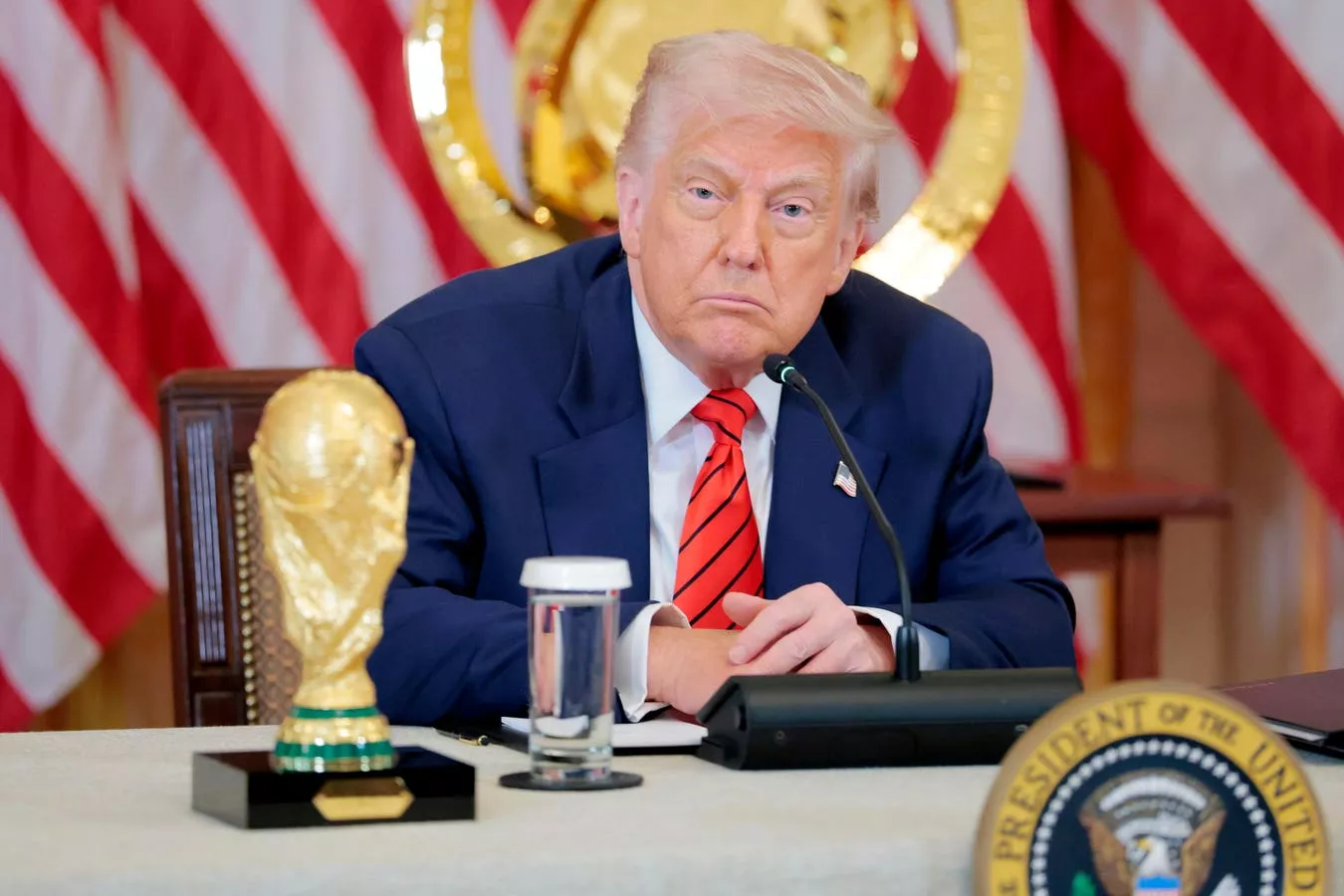
The FIFA World Cup, the crown jewel of international soccer, stands at the intersection of sports and politics. With the next tournament scheduled for 2026 in North America, the debate around boycotting the World Cup due to political reasons has once again become a topic of intense discussion.
Historical Precedents
Boycotting international sporting events is not unprecedented. The 1980 Moscow Olympics saw a significant boycott led by the United States in protest of the Soviet invasion of Afghanistan. Similarly, the 1976 Montreal Olympics were marred by an African boycott in response to New Zealand's rugby tour of apartheid-era South Africa. These events set the stage for how sports can become a platform for political statements.
Current Context
The 2022 World Cup in Qatar was fraught with controversy, primarily centered on human rights concerns and the treatment of migrant workers. These issues sparked calls for a boycott, though none materialized significantly at the national level. Now, as the world looks ahead to 2026, the focus shifts to how political tensions, particularly in participating nations, could influence decisions to participate or abstain.
Arguments For Boycotting
- Human Rights: Advocates argue that participating in events hosted by countries with poor human rights records endorses and legitimizes those regimes.
- Political Pressure: A boycott can serve as a powerful tool for applying international pressure, drawing global attention to critical issues.
Arguments Against Boycotting
- Impact on Athletes: Athletes often dedicate their lives to competing at the World Cup, and a boycott can unfairly penalize them, depriving them of their moment on the world stage.
- Ineffectiveness: Critics argue that boycotts rarely achieve the desired political change and can instead hurt diplomatic relations.
A Global Debate
The decision to boycott is not one to be taken lightly. It involves weighing the moral obligation to stand against injustices against the practical implications for athletes and fans. As the world becomes more interconnected, the line between sports and politics continues to blur, making such decisions increasingly complex.
As we approach the 2026 World Cup, national teams and governing bodies must carefully consider their stance. Will they use the platform to highlight global issues, or will they focus on the sport itself? The world watches, waiting to see if the beautiful game will once again become a political football.
Read Full Article Here