
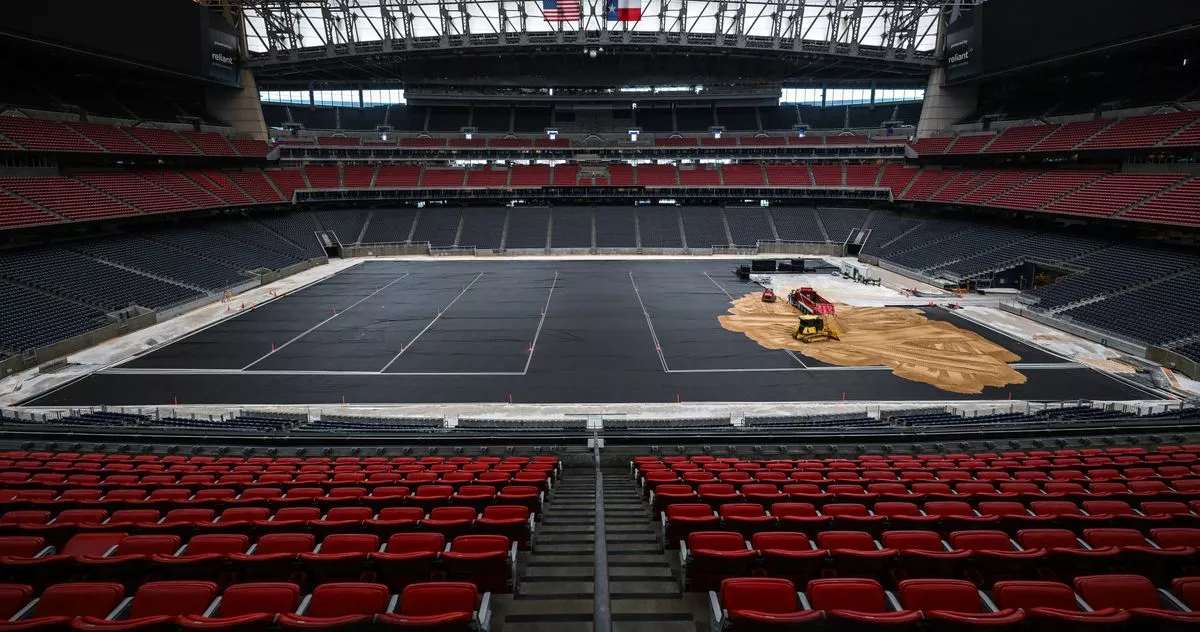
The World Cup is an event that captivates billions across the globe, and as the 2026 tournament hosted by the United States, Canada, and Mexico approaches, fans are eagerly anticipating the chance to witness history. However, one issue that has sparked widespread debate is the seemingly extortionary ticket prices. Yet, as daunting as these costs may appear, there is an optimistic perspective that deserves attention.
Boosting Local Economies
While the ticket prices might be steep, the economic impact on host cities is significant. The influx of international visitors translates to a boon for local businesses. Hotels, restaurants, and transportation services stand to gain considerably, helping to offset any initial concerns about affordability for locals. The ripple effect can lead to job creation and increased revenue for small businesses, contributing to the overall economic health of the region.
Ensuring a Premium Experience
Higher ticket prices often correlate with enhanced fan experiences. Organizers are increasingly investing in state-of-the-art facilities, ensuring that attendees have access to top-tier amenities. From improved seating arrangements to advanced technological integrations, the focus on quality enhances the overall enjoyment of the event. This commitment to providing a premium experience can justify the elevated costs, offering fans a once-in-a-lifetime opportunity to engage with the sport at its pinnacle.
Promoting Investment in Soccer Development
Revenue generated from ticket sales is frequently reinvested into the sport's development. By allocating funds towards grassroots programs and infrastructure, organizers can foster the next generation of talent. This investment is crucial for sustaining the sport's growth and ensuring that soccer remains accessible to aspiring players worldwide. Thus, while fans might feel the pinch in their wallets, their contributions play a vital role in nurturing the future of the game.
Cultivating a Global Community
The World Cup is more than just a series of matches; it is a celebration of global unity. The event attracts fans from every corner of the planet, creating a rich tapestry of cultures and traditions. By attending in person, fans become part of a global community, forging connections that transcend borders. This shared experience is invaluable, offering an opportunity for cultural exchange and mutual understanding.
In conclusion, while the high cost of World Cup tickets may be a point of contention, the benefits they bring to local economies, fan experiences, soccer development, and global unity are undeniable. As the world gears up for the 2026 tournament, it is worth recognizing the positive impact these events have, beyond the price tag.
Read Full Article Here