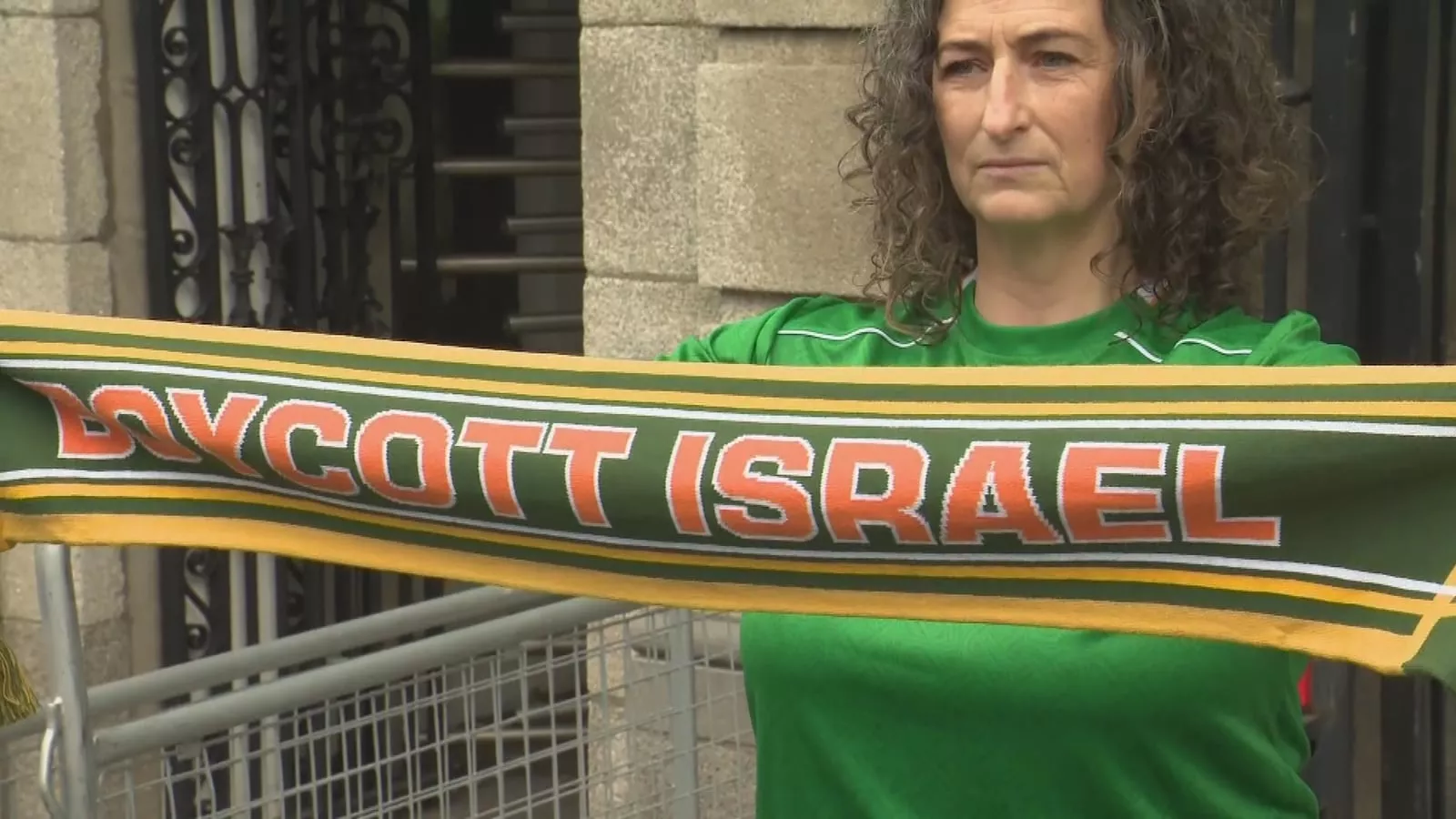
In a notable development within the intersection of sports and politics, Sinn Fein has announced its support for calls urging the Football Association of Ireland (FAI) to boycott an upcoming international fixture against Israel. This move aligns with growing global sentiment advocating for political action through sports.
Background of the Boycott Call
The call for a boycott has gained traction amid ongoing tensions in the Middle East, particularly in light of recent escalations in violence. Sinn Fein, a major political party in Ireland known for its advocacy on human rights issues, has stepped forward to back the boycott, emphasizing the need for international solidarity and action.
Sinn Fein representatives have stated that boycotting the match would send a strong message condemning actions they perceive as violations of international law and human rights by the Israeli government.
FAI's Position and Response
The FAI has so far remained neutral publicly, focusing on its role as a sports organization committed to fostering fair play and competition. The association has not yet indicated any change to the match schedule but is reportedly considering the broader implications of the call for a boycott.
According to sources close to the FAI, the organization is currently in discussions with various stakeholders, including UEFA and the Irish government, to evaluate the situation thoroughly.
International Reactions and Implications
The call for a boycott echoes similar actions by other sports bodies and cultural organizations worldwide, where sporting events are increasingly used as platforms for political statements. The potential boycott could have significant implications for international sporting relations and the FAI's standing in global football.
As the situation unfolds, both the sporting community and political analysts are closely watching how the FAI will navigate this complex issue, balancing its commitment to sportsmanship with the moral and ethical considerations raised by Sinn Fein and other advocates.
The broader impact of such a decision could set a precedent for how sports organizations respond to geopolitical issues, further entwining the realms of sports, politics, and global diplomacy.
Read Full Article Here