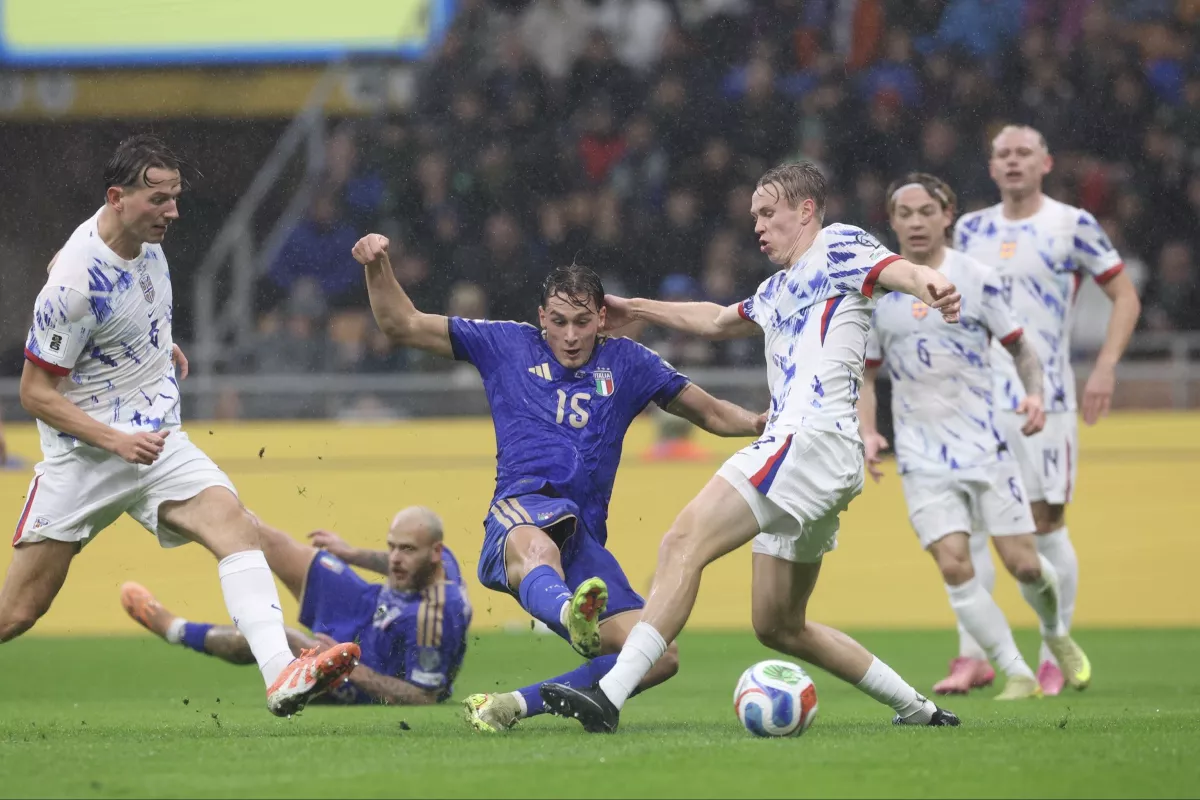
As Italy's national team prepares for crucial upcoming fixtures, a recent report has stirred debate by suggesting that Serie A clubs and coaches prioritize their own agendas over the needs of the national squad. This claim has sparked conversations across the Italian football community, with implications for the national team's performance on the international stage.
Club vs. Country: A Persistent Dilemma
The tension between club commitments and national team duties is not new, yet it appears to have reached new heights in Italy. According to a leading sports newspaper, several Serie A teams are allegedly focusing more on their domestic and European campaigns, leaving the national team in a precarious position. This is particularly concerning as Italy aims to secure a spot in the euro'>UEFA Euro 2024, with qualifying matches looming.
Impact on Player Availability
The report highlights how key Italian players often find themselves juggling between club obligations and national team call-ups. It suggests that some clubs may be reluctant to release players for international duty, especially when facing tight schedules and injury concerns. This reluctance could potentially undermine Italy's tactical preparations and squad cohesion.
Coaches' Perspectives
While club coaches naturally focus on their team's success, the report insinuates that there might be a lack of cooperation with the national team's management. This creates a scenario where players are caught in the crossfire, having to manage physical and mental fatigue as they switch between club and country responsibilities.
National Team's Struggles
The Italian national team, currently under the leadership of Roberto Mancini, has faced challenges in recent matches, struggling to find consistency in their performances. If Serie A clubs continue to prioritize their own schedules, the national team's ability to effectively compete on the international stage could be compromised.
Looking Ahead
As Italy gears up for its next round of international fixtures, the football community will be watching closely to see if there is any shift in how Serie A clubs and coaches manage their relationship with the national team. Collaboration and communication will be key to ensuring that Italy can field its strongest team, maintaining its proud footballing tradition on the global stage.
In conclusion, the balance between club success and national pride remains a delicate issue. For Italy to thrive internationally, a unified approach is necessary, with both Serie A clubs and the national team working in tandem to nurture and develop the country's top footballing talents.
Read Full Article Here