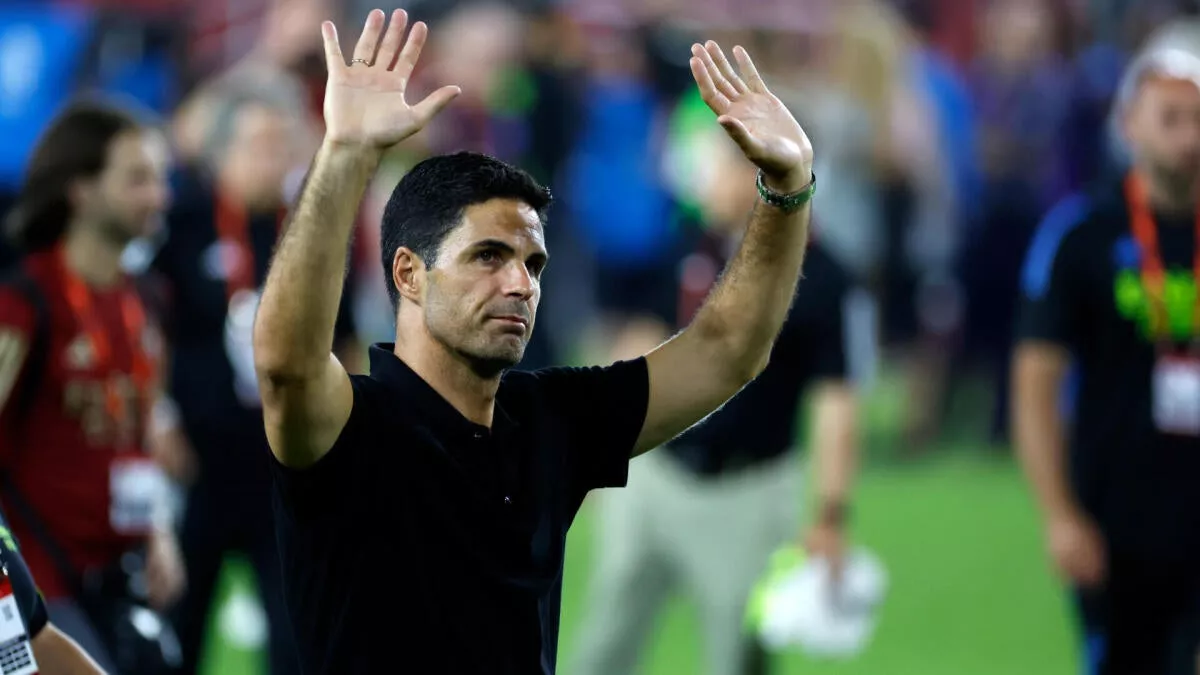
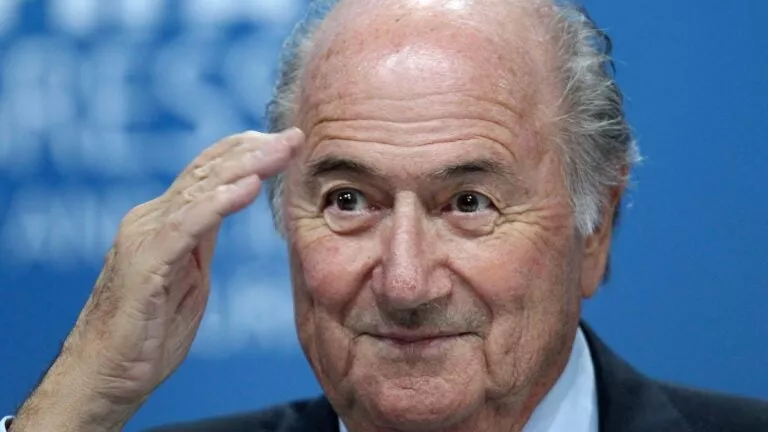
In a surprising twist, former FIFA president Sepp Blatter has voiced his support for a boycott of the 2026 FIFA World Cup set to take place in the United States, Canada, and Mexico. Blatter's comments add to a growing chorus of voices raising concerns over various issues related to the tournament.
Reasons Behind the Boycott Call
Blatter, who led FIFA from 1998 until his resignation in 2015 amid corruption scandals, cited several reasons for his stance. Among these are concerns over human rights issues, the political climate in the host nation, and the impact of travel between the three host countries.
In a recent interview, Blatter noted, "The World Cup should be a unifying event, but current geopolitical tensions and domestic policies in the U.S. could overshadow the spirit of the tournament." His comments echo those of various human rights organizations and political figures who have also expressed apprehensions about the event.
Broader Implications for FIFA
The call for a boycott poses a significant challenge for FIFA, which has been working to rehabilitate its image following years of corruption allegations and governance reforms. The 2026 World Cup, which marks the first time the tournament will be expanded to include 48 teams, is seen as a critical opportunity for the organization to showcase its commitment to transparency and inclusivity.
- Human rights organizations have raised concerns about the treatment of migrant workers and racial minorities.
- Environmental groups have criticized the potential carbon footprint of a tournament spread across three countries.
- Political analysts warn about the unstable geopolitical climate and its potential impact on international relations during the event.
Response from Host Countries
In response to Blatter's comments, the U.S. Soccer Federation issued a statement emphasizing its commitment to hosting an inclusive and successful tournament. "We are dedicated to ensuring that the 2026 World Cup is a celebration of soccer that brings together fans from all over the world in a spirit of unity and respect," the statement read.
Meanwhile, Mexican and Canadian officials have also reiterated their commitment to addressing any concerns and ensuring a smooth and successful World Cup experience for all participants and fans.
Conclusion
As the 2026 World Cup approaches, the debate over its location and execution is likely to intensify. With influential figures like Sepp Blatter joining the conversation, FIFA will need to navigate these challenges carefully to maintain the event's reputation as the world's premier soccer tournament. The coming months will be crucial in determining how these issues are addressed and whether the tournament can proceed without major disruptions.
Read Full Article Here