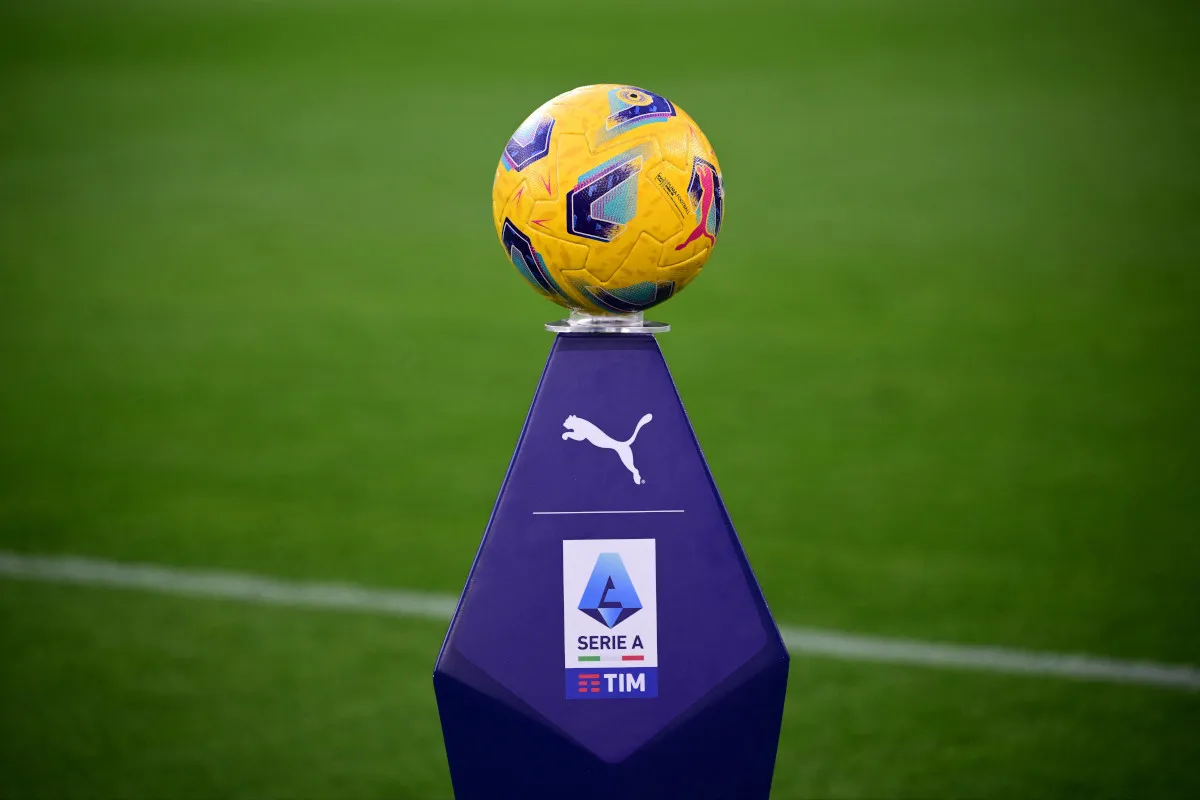
In an unprecedented move, the governing bodies of Europe's top soccer leagues — Serie A, Premier League, LaLiga, and Bundesliga — have announced their intention to release a joint statement addressing their collective concerns over FIFA's recent proposals. This united front marks a significant moment in soccer governance, as these leagues set aside their typical rivalries to focus on shared interests.
Background to the Dispute
FIFA has been pushing for a series of changes to the international soccer calendar, including the controversial biennial World Cup proposal. This proposal has faced criticism from various stakeholders in the soccer community, citing concerns over player welfare, scheduling conflicts, and the potential dilution of the tournament's prestige.
Key Concerns Raised
- Player Welfare: The leagues argue that the increased number of international matches would put additional strain on players, leading to potential burnout and increased risk of injuries.
- Scheduling Conflicts: Aligning the international calendar with domestic league schedules is already a complex task. The proposed changes could complicate scheduling further, impacting league operations and fan engagement.
- Tournament Prestige: A biennial World Cup could diminish the tournament's prestige and historical significance, which has been built on a four-year cycle.
According to sources close to the leagues, the joint statement will call for a more inclusive consultation process, urging FIFA to engage in open dialogue with domestic leagues, clubs, players, and fans before implementing any significant changes.
Implications for Global Soccer
This joint statement could set a new precedent in soccer governance, highlighting the growing power and influence of domestic leagues in shaping the future of the sport. It also serves as a reminder of the complex dynamics at play between national and international governing bodies.
As the soccer world eagerly awaits the official release of the statement, it remains to be seen how FIFA will respond to this unified front from Europe's top leagues. The outcome of this dispute could have long-lasting implications for the global soccer landscape.
Read Full Article Here