
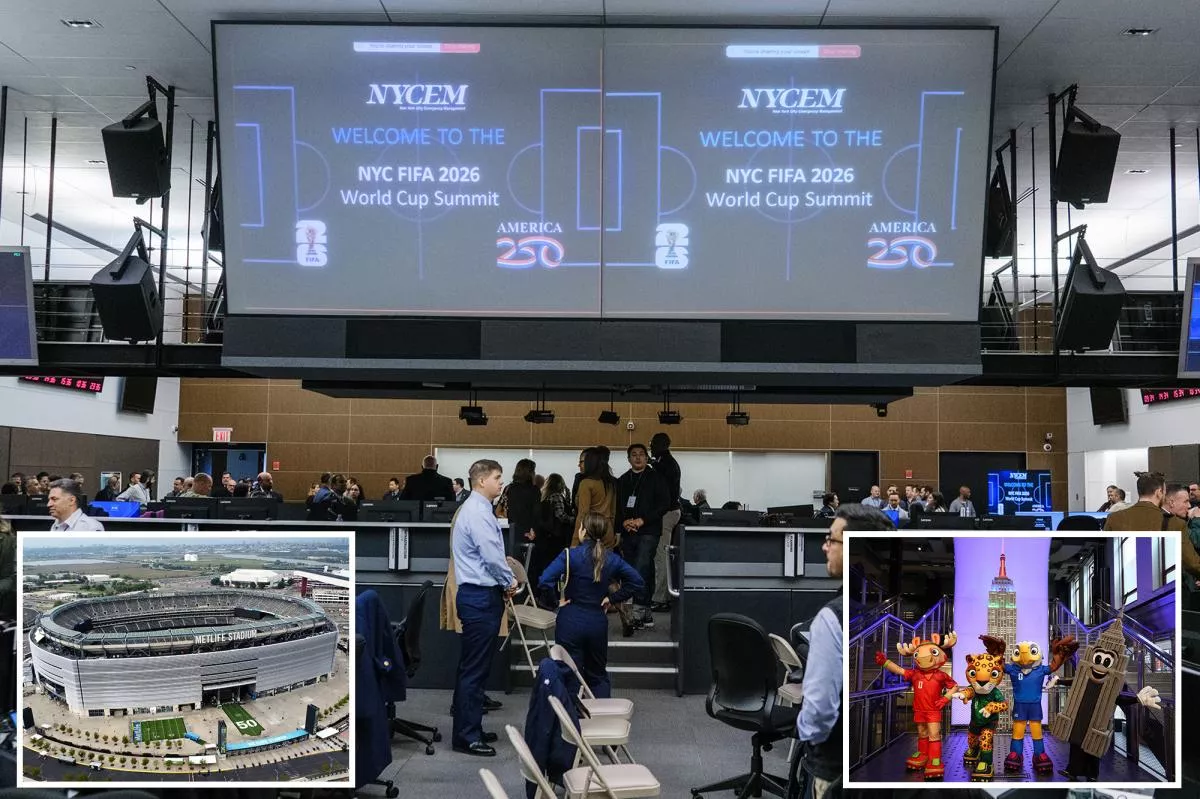
New York City, a cornerstone of global tourism and culture, is gearing up to host several matches for the FIFA World Cup in 2026. While the event promises a surge in international visitors and global attention, financial forecasts suggest the city may face a significant financial shortfall. According to recent economic projections, NYC is expected to spend $40 million more than it will earn from the event.
The anticipation of the World Cup, which is set to take place in the summer of 2026, has already sparked considerable excitement among soccer fans and local businesses. However, the economic strain of hosting such a monumental event is becoming increasingly apparent.
Projected Costs vs. Revenues
The costs associated with upgrading infrastructure, ensuring security, and enhancing public transportation are substantial. While these improvements are expected to provide long-term benefits for the city, the immediate financial burden may outweigh the short-term economic boost from tourism and sponsorships.
- Infrastructure Upgrades: Investments in transportation and stadium facilities to accommodate international visitors.
- Security: Significant expenditures on law enforcement and security personnel to ensure a safe environment for attendees.
- Public Services: Increased demand for public services, including sanitation and emergency services, during the event.
On the revenue side, the influx of tourists and soccer fans is expected to boost the hospitality and retail sectors. However, experts warn that these gains may not be sufficient to offset the steep costs incurred by the city.
Potential Long-Term Benefits
Despite the projected shortfall, city officials are optimistic about the long-term benefits of hosting the World Cup. "The visibility and global recognition that come with hosting such an event cannot be overstated," said a spokesperson for the NYC Mayor’s Office. "We are investing in the future of the city, not just a single event."
Moreover, the improvements in infrastructure and public services are expected to benefit residents and visitors long after the tournament concludes, potentially boosting tourism and the city’s international standing.
Conclusion
As New York City prepares for the FIFA World Cup, the focus remains on balancing the immediate financial implications with the anticipated long-term advantages. While the $40 million shortfall presents a challenge, the city’s leadership is committed to leveraging the event to enhance NYC’s global profile and infrastructure.
Read Full Article Here