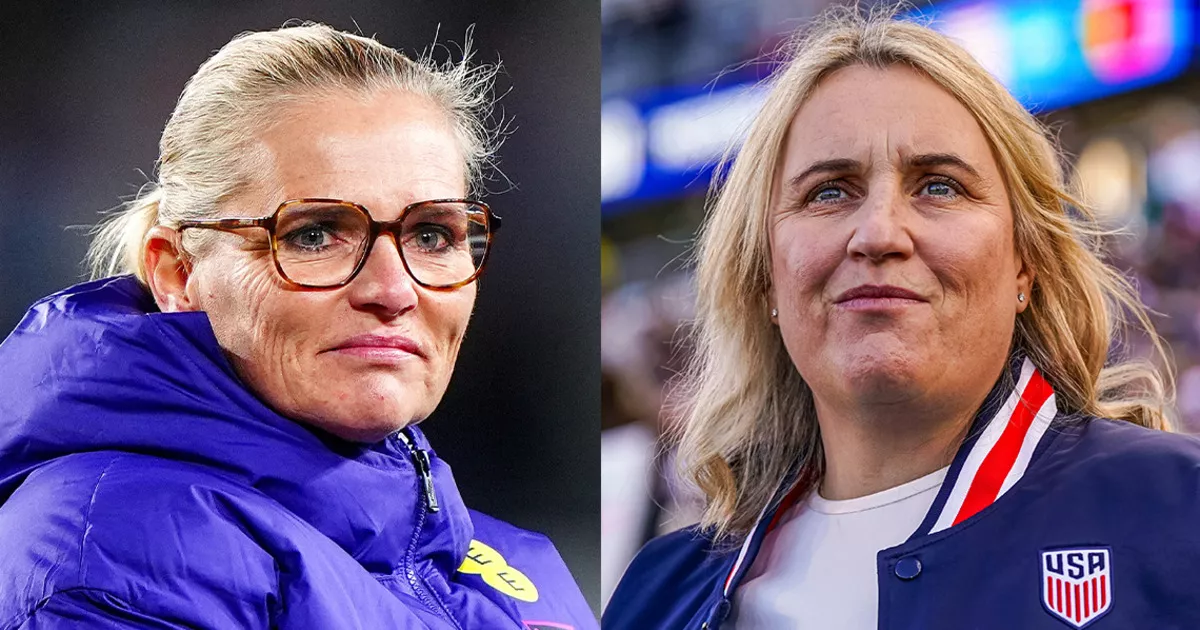
In a landmark decision that could redefine the landscape of women's soccer, FIFA has introduced a new rule mandating that all women's teams must include at least one woman in their leadership staff. This directive, announced during the FIFA Council meeting held in October 2023, is part of a broader initiative to promote gender equality and enhance the development of women’s soccer globally.
Empowering Women in Soccer
The new rule is set to take effect in the upcoming 2024 season, affecting clubs and national teams alike. This move has been widely praised by advocates of gender equality in sports, who see it as a significant step towards ensuring that women have a stronger voice in the management and strategic direction of their teams.
FIFA President Gianni Infantino stated, “This policy is not just about fairness but about enhancing the quality of the game. By bringing more women into leadership roles, we ensure diverse perspectives and experiences, which are crucial for the growth of soccer worldwide.”
Impact on Teams and Leagues
The rule requires each team to appoint at least one woman in a key leadership role, which can include positions such as head coach, technical director, or team manager. This requirement will be enforced across all levels, from youth squads to professional clubs and national teams.
- Clubs: Professional clubs in top leagues like the Women’s Super League and the NWSL will need to reassess their leadership structures to comply with the new regulations.
- National Teams: National federations will also need to ensure compliance, potentially reshuffling their coaching and management teams to meet the new standards.
While some teams have already embraced gender diversity in their leadership, others will need to make strategic hires to align with FIFA's directive. The governing body has pledged to provide resources and support to assist teams in this transition.
Looking Ahead
This initiative is expected to inspire a new generation of female leaders in soccer, encouraging more women to pursue careers in coaching and sports management. As the sport continues to grow in popularity, particularly after the successful 2023 Women's World Cup, this rule could pave the way for more inclusive and dynamic leadership within the sport.
Overall, FIFA's requirement marks a progressive shift towards a more equitable and inclusive environment in women's soccer, setting a precedent for other sports organizations to follow.
Read Full Article Here