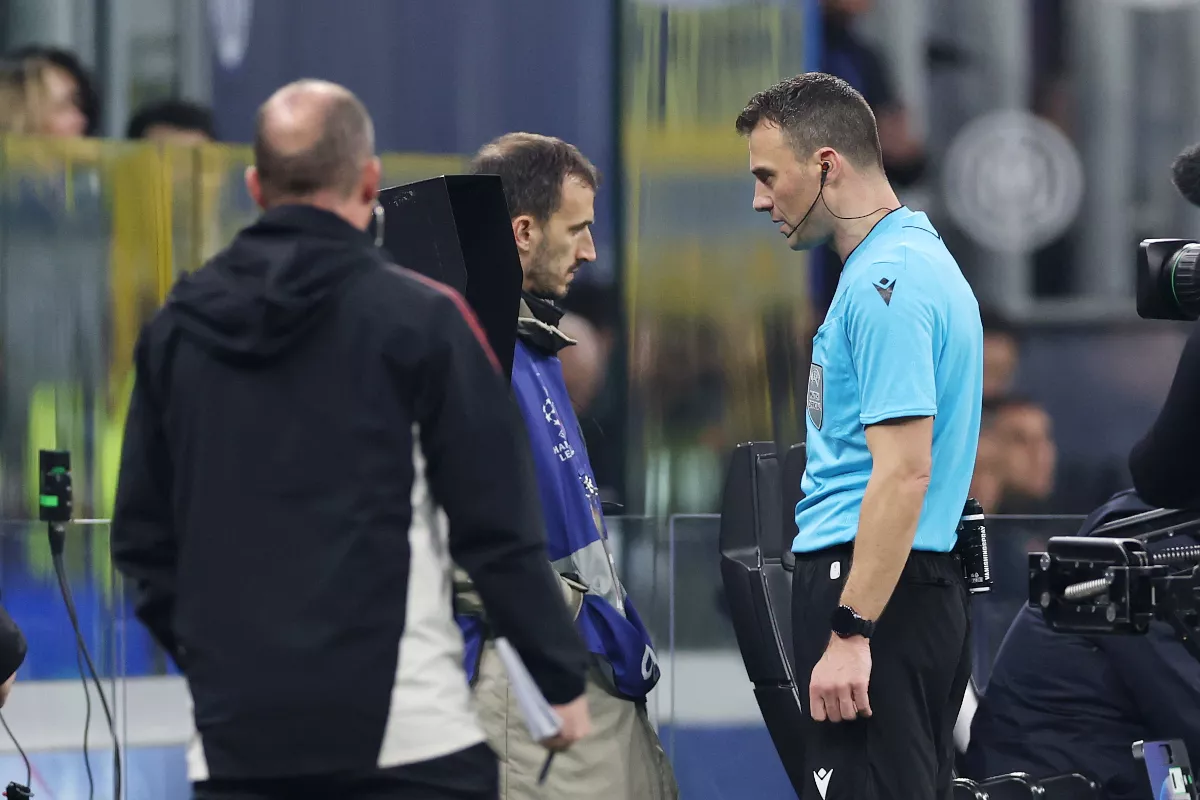
The world of soccer is no stranger to controversy, especially when it comes to the use of Video Assistant Referee (VAR) technology. Recently, a significant uproar has emerged following a controversial red card handed to Pierre Kalulu during a crucial Serie A match between AC Milan and Juventus. This incident has sparked widespread debate about the current VAR rules and their effectiveness, with many calling for immediate reforms ahead of the 2026 FIFA World Cup.
The Incident
During a tense encounter on October 15, 2023, Kalulu was shown a red card after a VAR review deemed his late challenge on Juventus forward Federico Chiesa to be reckless. The decision, which appeared harsh to many spectators and analysts, left AC Milan playing with ten men for the remainder of the match, eventually leading to a 2-1 defeat. The incident has since dominated headlines, with players, coaches, and fans expressing mixed reactions on social media and in post-match interviews.
Reaction from the Soccer Community
AC Milan head coach Stefano Pioli voiced his frustration after the game, stating, "The decision lacked consistency. We need clarity on how these rules are applied." This sentiment was echoed by numerous pundits who argued that the subjective nature of VAR interpretations is undermining the spirit of the game.
On the other side, Juventus manager Massimiliano Allegri defended the decision, suggesting it highlighted the importance of VAR in maintaining player safety. "The referee made the right call to protect the players. While it's tough for Milan, we must prioritize safety," Allegri commented.
Potential Changes to VAR Rules
The debate surrounding Kalulu's red card has reached the higher echelons of soccer governance, with FIFA reportedly considering a review of VAR protocols ahead of the 2026 World Cup. Some proposed changes include:
- Increased Transparency: Calls for real-time audio feed of VAR discussions to be broadcasted during matches to enhance transparency and understanding among fans.
- Clearer Guidelines: Establishing more precise criteria for red card offenses, especially concerning tackles and aerial duels, to reduce subjectivity.
- Time Limits on Reviews: Implementing stricter time constraints on VAR reviews to prevent prolonged interruptions and maintain the flow of the game.
FIFA's technical committee is expected to convene later this year to discuss these potential changes, with a decision likely to be made well before the 2026 World Cup kicks off in the United States, Canada, and Mexico.
The Road Ahead
As soccer continues to evolve with technology, the balance between human judgment and technological assistance remains delicate. The Kalulu incident serves as a reminder that while VAR can significantly enhance the game's fairness, it must be constantly refined to ensure it serves the sport's best interests. With the global stage of the World Cup approaching, any changes made could have a lasting impact on the future of soccer.
Read Full Article Here