Background
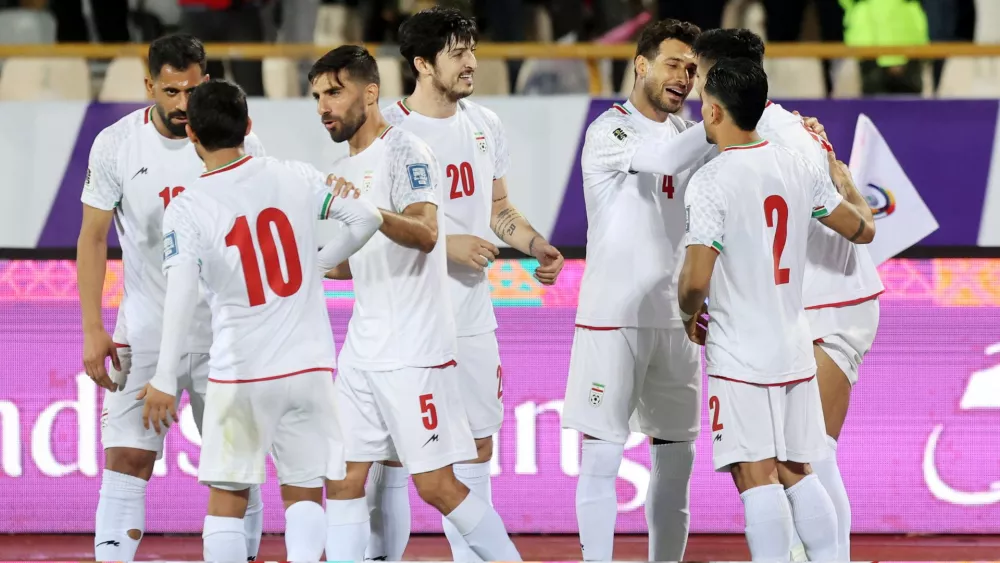
The anticipation for the 2026 FIFA World Cup, set to take place in the United States, is overshadowed by uncertainty surrounding Iran's participation. Iran, a team that secured its spot in the tournament through a strong qualification campaign, now faces the possibility of withdrawal due to escalating geopolitical tensions and recent military strikes in the region.
Current Situation
In recent weeks, military conflicts have heightened in the Middle East, casting doubt on Iran's ability to participate in the upcoming World Cup. The tensions have not only raised security concerns but have also disrupted the team's preparations. These developments have prompted FIFA to closely monitor the situation, with potential consequences for the tournament's logistics and structure.
Official Statements
The President of the Iran Football Federation, Mehdi Taj, expressed grave concerns over the current situation, stating, "Our focus remains on ensuring the safety and well-being of the players and staff. However, the current geopolitical climate presents significant challenges that we are working tirelessly to address." FIFA officials have also issued a statement, highlighting their commitment to fair play and the importance of maintaining the integrity of the competition.
Replacement Possibilities
If Iran is unable to participate, FIFA may need to consider a replacement team for Group G, which includes New Zealand, Belgium, and Egypt. Potential candidates to fill the spot could be the United Arab Emirates or Iraq, both of which have shown competitive performances in recent qualifiers. The decision would not only impact the group dynamics but also necessitate logistical adjustments in terms of scheduling and venue arrangements.
What This Means for World Cup Fans
The potential absence of a qualified team like Iran is unprecedented and would have significant implications for fans, particularly those who have already made travel and accommodation arrangements. The uncertainty also affects the planning and execution of the tournament, raising challenges for organizers who must adapt to potential changes in team participation.
As the situation unfolds, the global soccer community watches closely, recognizing the broader implications of geopolitical tensions on sports. Fans and stakeholders alike hope for a resolution that preserves the spirit of competition and unity that the FIFA World Cup represents.