
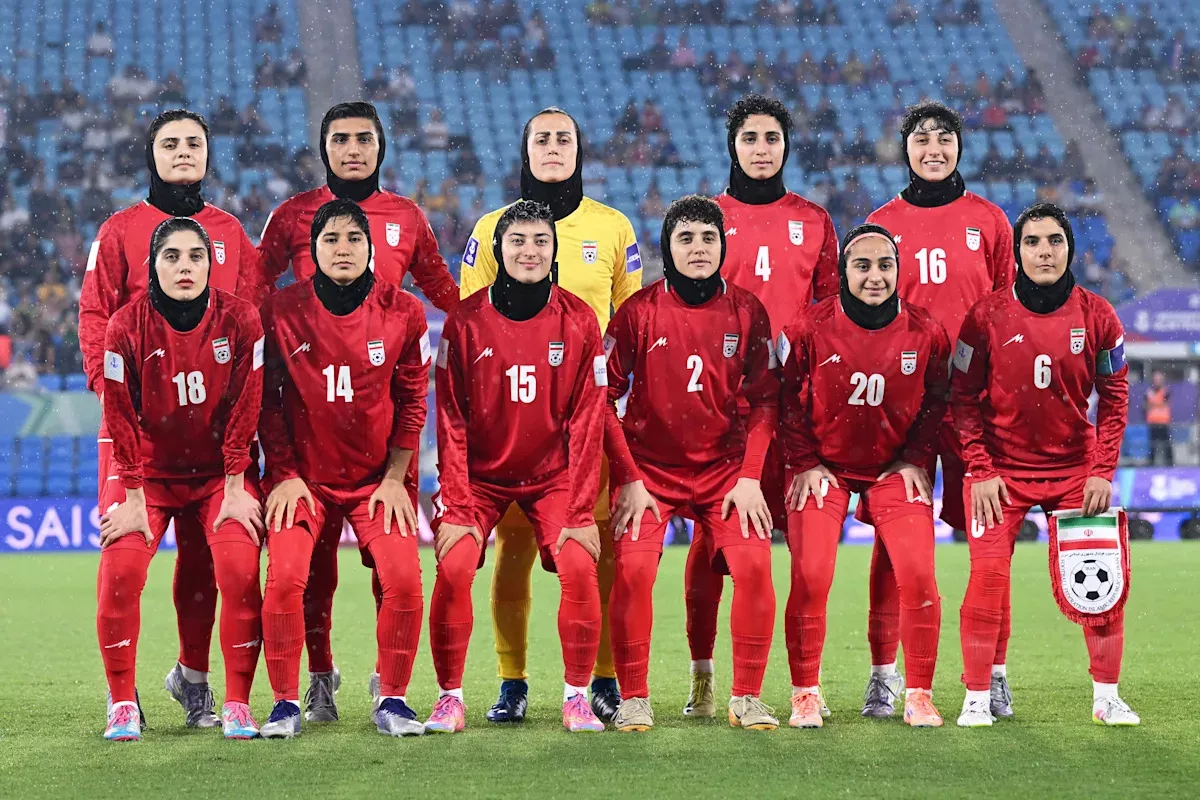
The Iranian women's soccer team returned to Tehran this week after a turbulent international tour marred by reports that several players sought asylum abroad. According to Iranian media, a few members of the squad did not board the return flight, opting instead to pursue asylum claims in an undisclosed European country.
Asylum Allegations Cloud Successful Tour
The team had been participating in a series of friendly matches in Europe, aimed at providing international exposure and experience ahead of upcoming regional tournaments. Despite a promising performance on the pitch, the trip was overshadowed by off-field issues, notably the decision by some players to remain overseas.
- Performance Highlights: The team showcased significant improvements, winning two of their three matches against European clubs.
- Asylum Reports: Local media outlets and international human rights organizations have reported that at least two players have sought asylum, citing personal and political reasons.
- Official Response: The Iranian Football Federation has yet to release an official statement regarding the asylum claims, but sources suggest an internal investigation may be underway.
Context and Implications
This development comes amid growing concerns over the treatment of women athletes in Iran, where societal and political pressures often hinder their sporting careers. The move by the players seeking asylum highlights the ongoing struggles faced by female athletes in the country, who are frequently caught between pursuing their sports careers and adhering to restrictive cultural norms.
International observers and human rights groups have increasingly focused on the rights of women in sports, with this incident potentially sparking further dialogue about the role of sports in advocating for gender equality and personal freedoms.
As the players who have returned home face uncertainty regarding their teammates' decisions, the Iranian women's soccer team's future remains unclear. The situation underscores the complex web of sports, politics, and human rights, making it a pivotal moment for the global soccer community to reflect upon.
Read Full Article Here