
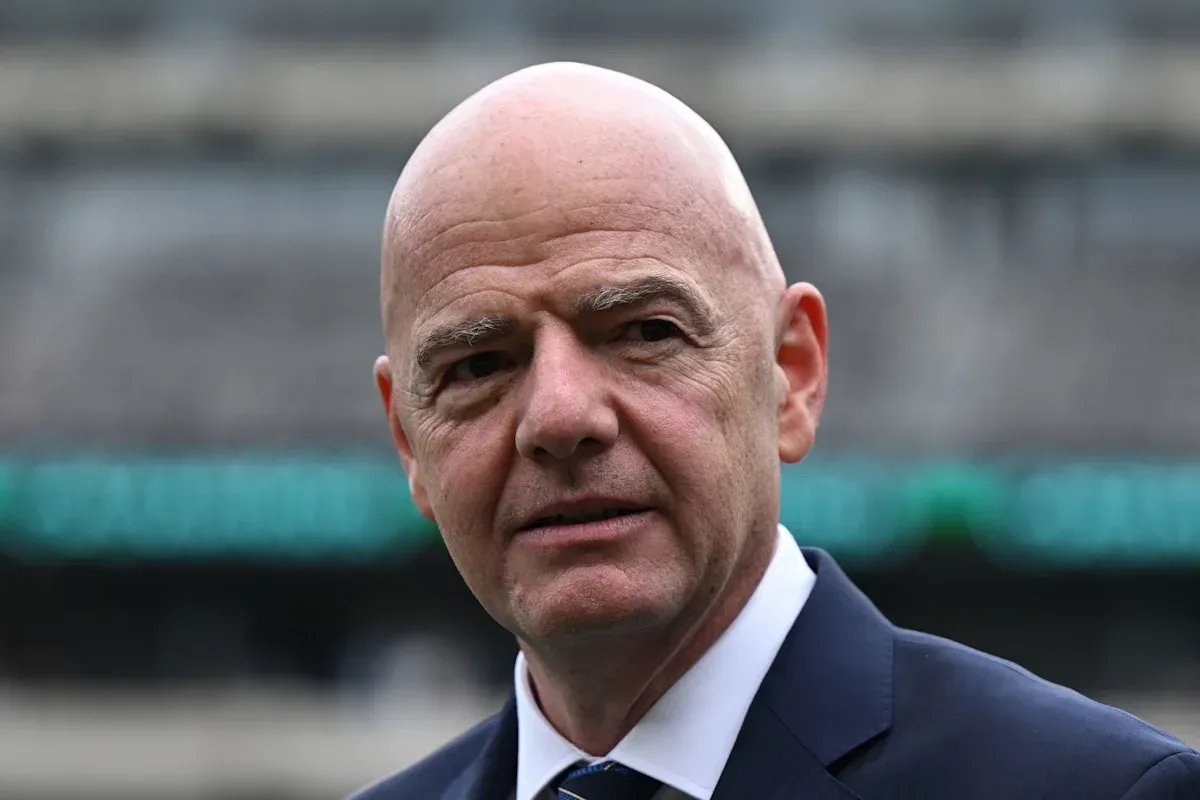
In a groundbreaking move towards modernizing the world's foremost soccer organization, FIFA President Gianni Infantino has communicated his willingness to consider reforms within the organization. This announcement comes via a letter addressed to FIFA's member associations, marking a potential shift in how the governing body may operate in the coming years.
Infantino's Vision for Change
In his letter, Infantino outlined several key areas where he believes reform could be beneficial. These areas include governance, transparency, and inclusivity. The announcement is seen as a proactive approach to address both internal and external critiques aimed at FIFA's operational structure.
- Governance: Infantino has hinted at adopting more democratic processes within FIFA's decision-making structures, allowing for increased input from member associations.
- Transparency: The need for clear and open communication regarding financial decisions and tournament bidding processes was emphasized as a cornerstone for future reforms.
- Inclusivity: Promoting diversity at all levels of the organization, ensuring that FIFA reflects the global community of soccer it represents.
This letter comes at a critical time for FIFA, as the organization continues to recover from past corruption scandals and seeks to improve its global image. By potentially embracing reforms, Infantino aims to bolster FIFA's credibility and strengthen its leadership in the international soccer community.
Reactions from the Soccer Community
The response from FIFA's member associations has been cautiously optimistic, with many expressing hope that Infantino's proposals could lead to meaningful changes. Critics, however, remain wary, urging the need for concrete actions rather than mere rhetoric.
As soccer fans worldwide look forward to upcoming events, including the 2026 World Cup hosted by the United States, Canada, and Mexico, the direction FIFA takes in implementing these reforms will be closely monitored.
Infantino's letter serves as a reminder of the dynamic nature of global sports governance and the ongoing evolution required to meet the demands of modern-day challenges.
Read Full Article Here