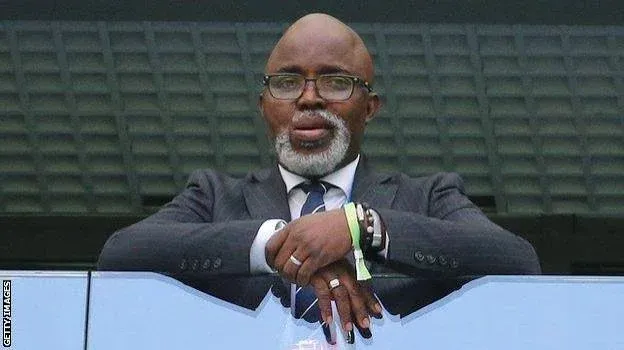
In a recent interview, Amaju Pinnick, the President of the Nigeria Football Federation (NFF), made it clear that he holds no regrets over his past interactions with the late Stephen Keshi, the former head coach of the Nigerian national team. Pinnick's comments come amidst renewed interest in the dynamics of their professional relationship during Keshi's tenure.
Pinnick, who has been at the helm of Nigerian football since 2014, emphasized his respect for Keshi's contributions to Nigerian football but stood firm in his belief that there is nothing to apologize for regarding their professional dealings. “Stephen Keshi was a great coach and did much for our national team, but from a professional standpoint, I have nothing to apologize for,” Pinnick stated.
The Legacy of Stephen Keshi
Stephen Keshi, who passed away in 2016, is celebrated for leading Nigeria to victory in the 2013 Africa Cup of Nations and for his role in advancing the team to the Round of 16 in the 2014 FIFA World Cup. His tenure was marked by both triumphs and controversies, particularly concerning administration and team selections.
Pinnick’s Tenure and Vision
Since his election as NFF President, Pinnick has been a polarizing figure, often praised for his efforts to modernize Nigerian football but sometimes criticized for his handling of managerial relationships. His leadership has seen Nigeria qualify for major tournaments, albeit with challenges, including financial and logistical hurdles that have impacted team performance.
In addressing the current state of Nigerian football, Pinnick remains optimistic about the future. He highlighted ongoing initiatives to improve grassroots development and ensure that the Super Eagles remain competitive on the global stage. “We are building for the future, and while we respect our past, our focus is on creating a sustainable path forward for Nigerian football,” he added.
The discussion surrounding Pinnick and Keshi reflects broader conversations about leadership and legacy in sports, as fans and commentators continue to evaluate the impacts of past decisions on the current state of Nigerian football.
Read Full Article Here