
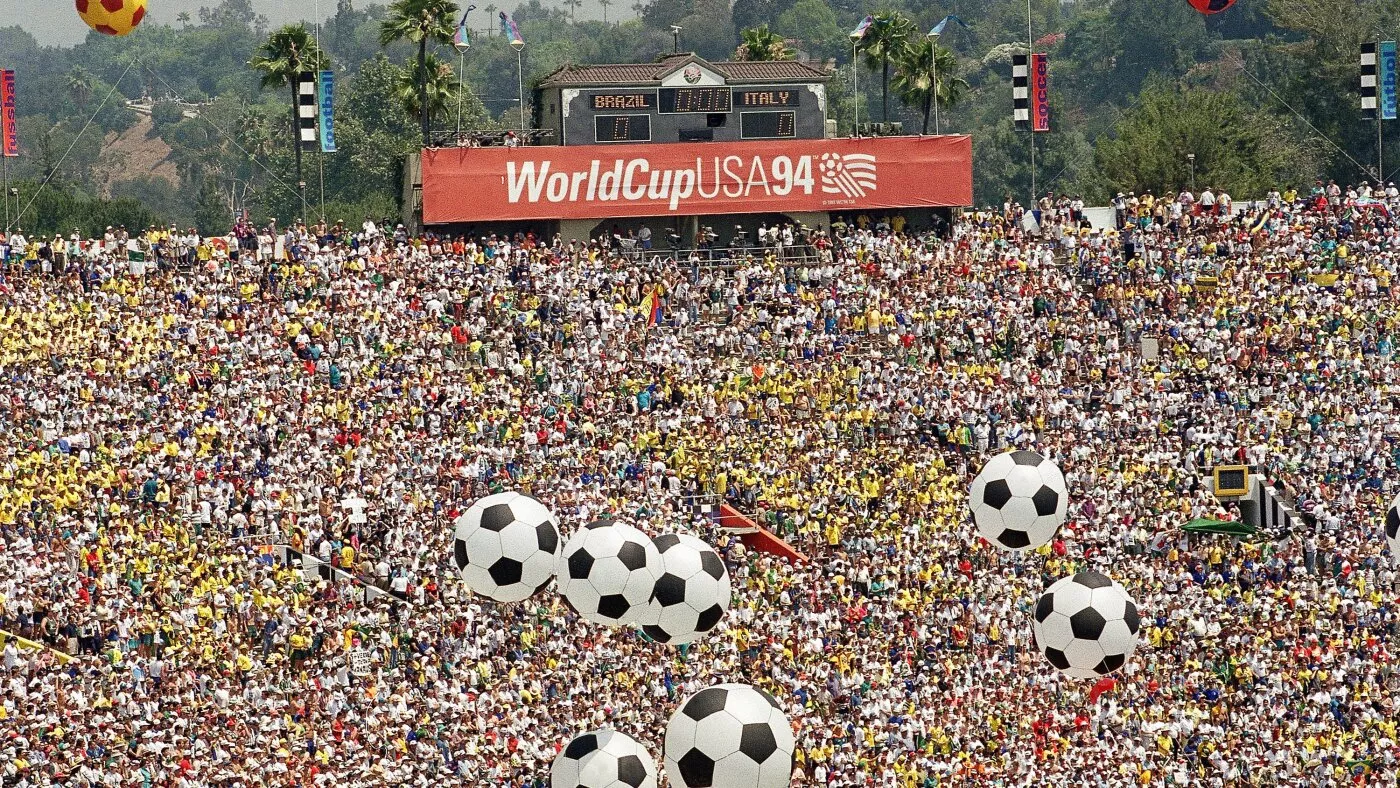
The 1994 FIFA World Cup, held in the United States, marked a pivotal moment in the country's sporting history. This global event not only brought the world's most popular sport to American shores but also laid the groundwork for a burgeoning soccer culture that continues to flourish today.
The Arrival of the Beautiful Game
Before 1994, soccer struggled to capture the American public's imagination. The sport was overshadowed by the dominant trio of American football, basketball, and baseball. However, the decision to host the World Cup in the U.S. was seen as a bold move by FIFA, aiming to tap into a largely untapped market with immense potential for growth.
Record-Breaking Attendance and Viewership
The tournament was a resounding success, with matches played in nine cities across the country. It set records for attendance, with nearly 3.6 million fans attending the games, a number that remains unbeaten in World Cup history. The final, held at the Rose Bowl in Pasadena, saw Brazil defeat Italy in a dramatic penalty shootout, further cementing the tournament's legacy.
Television viewership also reached unprecedented levels, as millions of Americans tuned in to witness the world's best teams compete. This exposure played a crucial role in increasing the sport's visibility and popularity across the nation.
Building The Domestic Game
One of the most significant legacies of the 1994 World Cup was the establishment of Major League Soccer (MLS) in 1996. The league was a key condition for FIFA awarding the tournament to the U.S., and it has since grown into a thriving professional league that attracts top talent from around the globe.
Additionally, the tournament inspired a generation of young players and fans. Youth soccer programs saw a surge in participation, and the increased interest helped develop a strong infrastructure for the sport at grassroots levels.
Continued Growth and Success
Today, soccer in America is a far cry from its pre-1994 status. The U.S. Men's National Team is a regular competitor on the world stage, and the U.S. Women's National Team has become a dominant force, winning multiple World Cup titles. Soccer-specific stadiums have sprung up across the country, and the sport enjoys a dedicated and growing fan base.
The 1994 World Cup was more than just a tournament; it was a catalyst that sparked America's love affair with soccer. The passion ignited during those summer months paved the way for the sport's ongoing growth and success in the United States.
Read Full Article Here