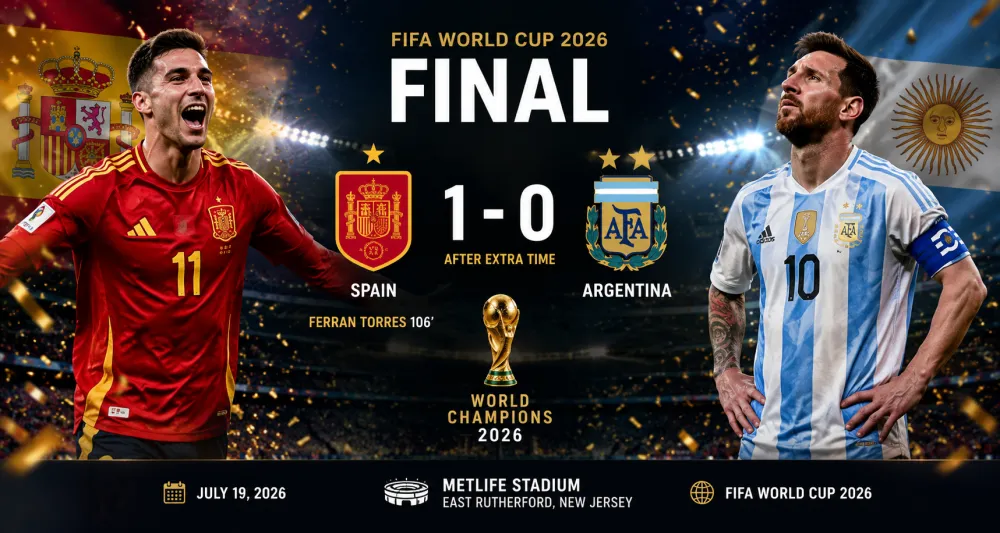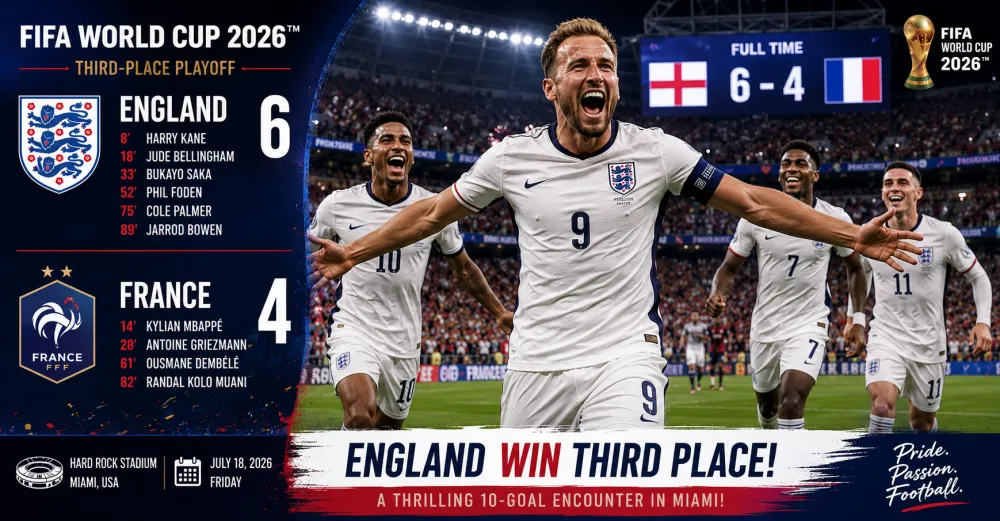

The 2026 FIFA World Cup promises to be a landmark event in the history of soccer, not just for its expanded format with 48 teams but also for the potential revenue from the final's ticket sales. With the tournament set to take place across North America, including the USA, Canada, and Mexico, the world's eyes are on FIFA's financial strategies, especially regarding ticket pricing.
Skyrocketing Ticket Prices
Reports suggest that ticket prices for the final match could reach astronomical figures, with some estimates placing them between $1,000 to $3,500, depending on the seating category and location. This surge in pricing is reflective of the increased demand and the global appeal of the World Cup final, which is expected to draw record viewership and attendance.
FIFA's Revenue Projections
FIFA, the governing body of international soccer, is projected to generate significant revenue from these ticket sales. With stadiums like the MetLife Stadium in New Jersey, which boasts a capacity of over 80,000, the potential earnings from the final alone could exceed $250 million. This does not account for the additional revenue streams from hospitality packages, sponsorships, and broadcasting rights.
Impact on Soccer's Global Growth
The financial success of the 2026 World Cup could have far-reaching implications. The increased revenue may allow FIFA to invest more in developing soccer infrastructure worldwide, fostering the sport in regions with untapped potential. Additionally, it could lead to more competitive future tournaments, enhancing the global appeal of soccer.
Challenges and Criticisms
While high ticket prices may boost revenue, they also raise concerns about accessibility for average fans. Critics argue that such pricing strategies could alienate long-time supporters who cannot afford to attend. FIFA will need to balance maximizing profits with maintaining soccer's inclusive spirit.
As the world prepares for the 2026 spectacle, the financial strategies employed by FIFA, particularly regarding ticket pricing, will be closely scrutinized. The final's ticket sales will not only impact FIFA's bottom line but also the broader dynamics of global soccer.
Read Full Article Here