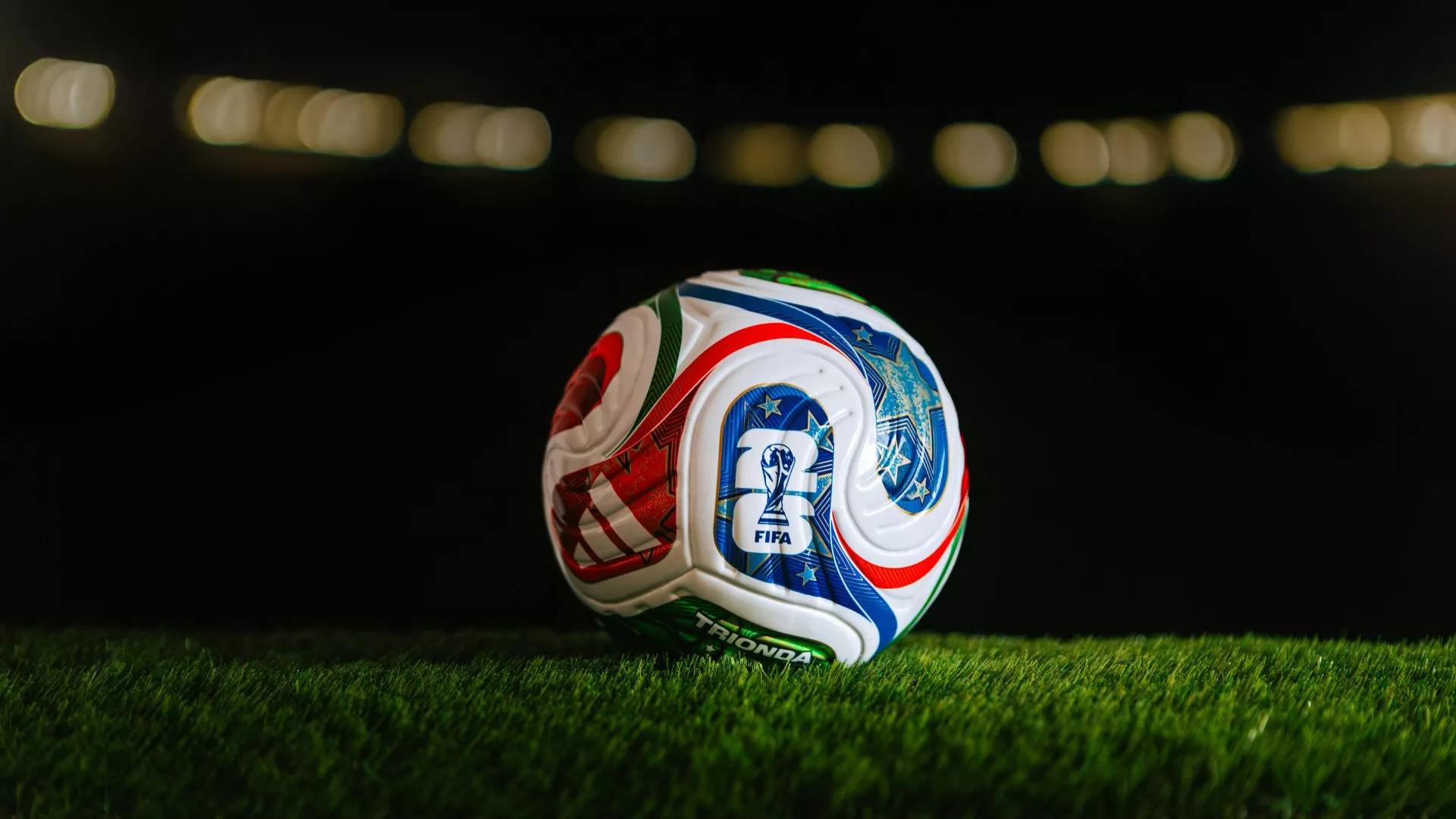
The countdown to the 2026 FIFA World Cup has begun, and marketers worldwide are already laying the groundwork for what promises to be one of the most watched sporting events globally. Set to take place across the United States, Canada, and Mexico, this tournament offers unprecedented opportunities for brands to engage with a massive, diverse audience.
Understanding the Global Audience
The World Cup is not just a sporting event; it's a cultural phenomenon. Marketers are keenly aware of the event's global reach, with millions of viewers tuning in from every corner of the planet. This diversity requires a nuanced approach to marketing, ensuring that campaigns resonate across different cultures and languages.
Leveraging Digital Platforms
As digital consumption continues to rise, marketers are focusing heavily on online platforms to capture audience attention. Social media campaigns, influencer collaborations, and targeted digital ads will play crucial roles in engaging fans. With the next World Cup expected to have a significant online presence, brands are investing in creating compelling digital content that can go viral.
Innovations in Technology
Technology is at the forefront of marketing strategies for the 2026 World Cup. Virtual reality (VR) and augmented reality (AR) experiences are being developed to offer fans immersive experiences, whether they are in the stadium or watching from home. These technologies allow fans to feel part of the action, enhancing engagement and brand association.
Sustainability and Social Responsibility
With increasing awareness around environmental issues, brands are also focusing on sustainability and social responsibility. Marketing campaigns are expected to highlight eco-friendly practices, aligning with the growing consumer demand for brands that prioritize the planet. Collaborations with local communities in the host cities are also being planned to leave a positive, lasting impact.
Collaborations and Partnerships
Strategic partnerships are another key area of focus for marketers. Collaborating with other brands, sports teams, and even non-profit organizations can amplify reach and impact. These partnerships often result in co-branded initiatives that leverage each partner's strengths, creating unique and memorable experiences for fans.
As the 2026 FIFA World Cup approaches, marketers are pulling out all the stops to ensure their campaigns are not only effective but also memorable. By harnessing the power of digital platforms, embracing technological innovations, and prioritizing sustainability, brands are set to make a significant impact during this global event.
Read Full Article Here