
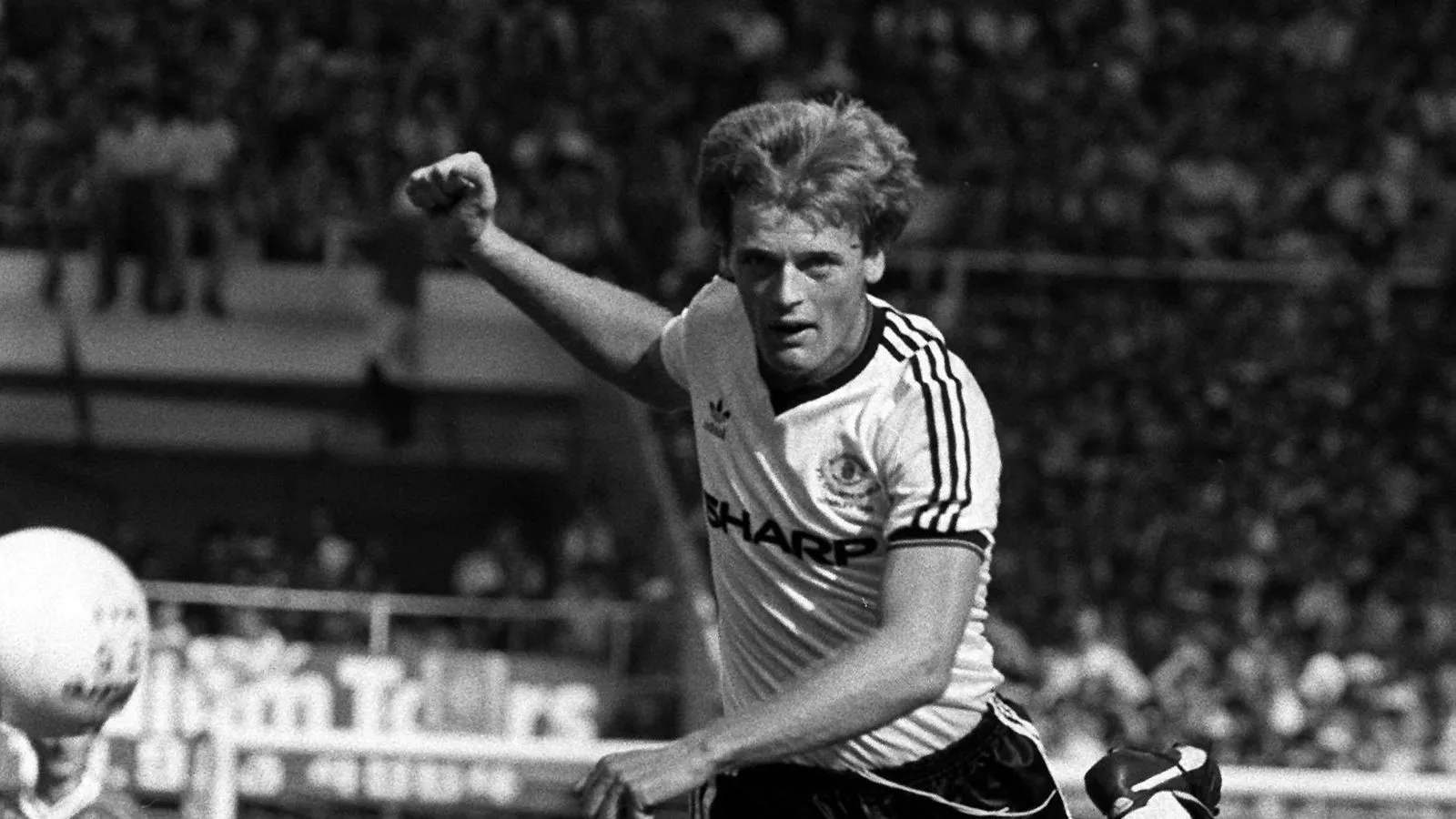
The inquest into the death of former soccer player Gordon McQueen has concluded that repeated heading of the ball during his professional career likely contributed to the brain injury that ultimately led to his death. The ruling by the coroner underscores growing concerns in the sports community regarding the long-term health effects associated with heading in soccer.
Background on McQueen's Career
Gordon McQueen was a distinguished defender who enjoyed a successful career during the 1970s and 1980s, playing for clubs such as Leeds United and Manchester United. McQueen also earned caps for the Scottish national team, making significant contributions during his tenure.
Coroner's Findings
The coroner's report, released this week, highlighted the probable link between McQueen's brain injury and his frequent heading of soccer balls. This conclusion adds to a growing body of research suggesting that repeated head impacts may increase the risk of developing neurodegenerative diseases.
Implications for the Sport
The ruling is likely to reignite discussions around safety protocols in soccer, particularly concerning youth and professional players. There have been calls from various advocacy groups for stricter regulations, including limiting heading in training and implementing more comprehensive health monitoring systems for players.
Response from the Soccer Community
The Professional Footballers' Association (PFA) and other stakeholders have expressed their commitment to addressing the issue. Initiatives aimed at researching the impact of heading and exploring possible reforms are expected to gain momentum in light of this ruling.
As the debate continues, McQueen's legacy may well include a significant contribution to the evolution of safety standards in soccer, ensuring that future generations of players are better protected from similar risks.
Read Full Article Here