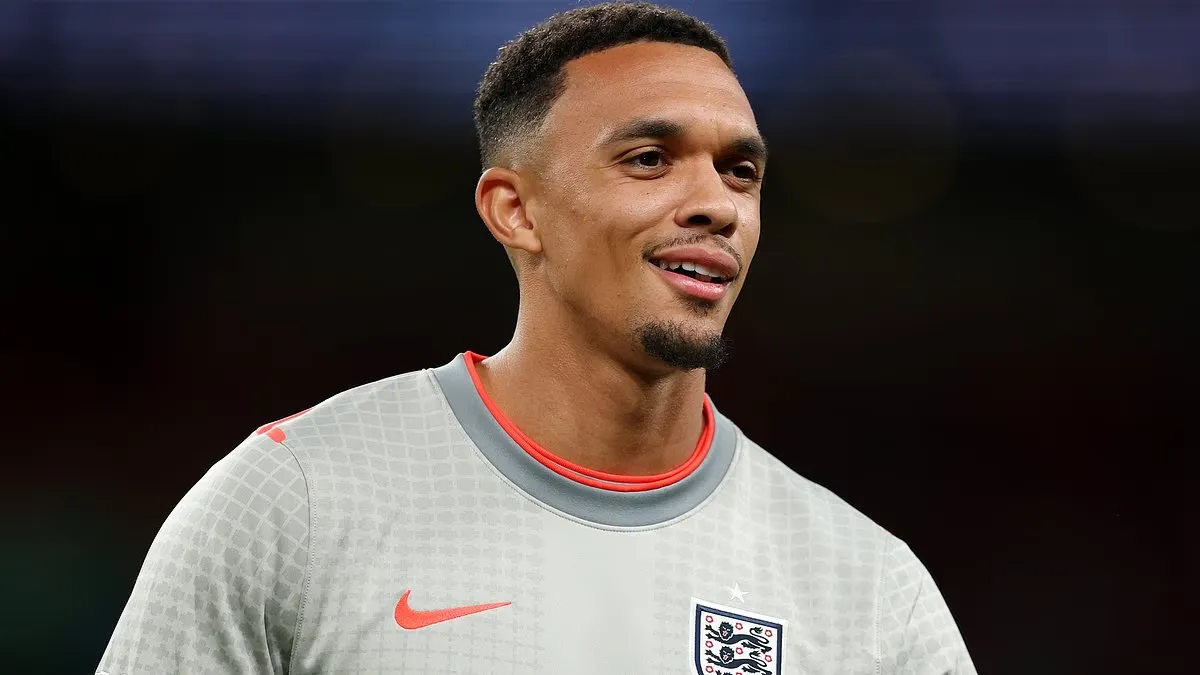

Group B Predictions: Can Bosnia and Herzegovina Shock the Group?
Group B at the 2026 FIFA World Cup features an intriguing mix of styles and storylines. Host nation Canada will try to use home support to reach the knockout stage, while Bosnia and Herzegovina looks to become one of the tournament’s surprise teams. Meanwhile, Switzerland brings its usual tournament consistency, and Qatar hopes to prove it belongs on the biggest stage again.
This group feels wide open. There is no overwhelming global powerhouse, which means every match could completely change the standings.
Predicted Final Standings
| PositionTeamPoints | ||
| 1 | Switzerland | 7 |
| 2 | Bosnia and Herzegovina | 5 |
| 3 | Canada | 4 |
| 4 | Qatar | 0 |
Switzerland narrowly wins the group, while Bosnia and Herzegovina edges Canada for second place in what could become one of the closest qualification battles of the tournament.
🇨🇭 Switzerland — The Safe Bet
Switzerland may not always dominate headlines, but they consistently perform well at major tournaments. Their defensive organization, disciplined midfield play, and experience make them extremely difficult to beat.
The Swiss rarely panic during matches and usually capitalize on opponents’ mistakes.
Key Strengths
- Defensive structure
- Tactical discipline
- Tournament experience
- Efficient counterattacks
Biggest Question
Can Switzerland score enough goals against defensive teams?
Prediction
Switzerland finishes first after grinding out consistent results.
🇧🇦 Bosnia and Herzegovina — Dark Horse of the Group
Bosnia and Herzegovina enters the tournament with passion, attacking talent, and one of the most emotional fanbases in football. If Bosnia finds rhythm early, they could become one of the most entertaining teams in the group stage.
Bosnia’s attack has the ability to create problems for anyone, especially in open matches.
Key Strengths
- Technical attacking players
- Dangerous set pieces
- Emotional energy
- Fearless style of play
Biggest Question
Can Bosnia remain defensively organized under pressure?
Players to Watch
- Edin Džeko
- Amar Dedić
- Sead Kolašinac
Prediction
Bosnia grabs second place after a dramatic final matchday.
🇨🇦 Canada — Home Advantage Could Be Huge
Canada will have massive support throughout the tournament, and that energy could push the team to another level.
The Canadian squad is athletic, aggressive, and dangerous in transition, but consistency against organized European opponents remains a concern.
Key Strengths
- Home crowds
- Speed and athleticism
- Aggressive pressing
- Young attacking talent
Biggest Question
Can Canada stay composed in high-pressure moments?
Prediction
Canada narrowly misses qualification despite strong performances.
🇶🇦 Qatar — Looking for Redemption
After their difficult 2022 World Cup campaign, Qatar returns hoping to prove it can compete internationally.
The team remains technically capable and comfortable in possession, but the defensive side of the game may again become an issue against stronger opposition.
Key Strengths
- Technical midfielders
- Possession football
- Quick passing combinations
Biggest Question
Can Qatar handle the physical intensity of World Cup football?
Prediction
Qatar finishes fourth but could still play spoiler.
Predicted Match Results
| MatchPrediction | |
| Switzerland vs Qatar | Switzerland 2–0 Qatar |
| Bosnia and Herzegovina vs Canada | 2–2 Draw |
| Switzerland vs Bosnia and Herzegovina | 1–1 Draw |
| Canada vs Qatar | Canada 2–1 Qatar |
| Switzerland vs Canada | Switzerland 1–0 Canada |
| Bosnia and Herzegovina vs Qatar | Bosnia and Herzegovina 3–1 Qatar |
Group B Player to Watch
Alphonso Davies — Canada
One of the fastest and most explosive players in the tournament. Canada’s hopes may depend on his ability to create moments of magic.
Granit Xhaka — Switzerland
The experienced midfielder remains the heartbeat of Switzerland’s tactical structure.
Akram Afif — Qatar
Qatar’s most creative attacking player and biggest offensive threat.
Final Thoughts
Group B may quietly become one of the most competitive groups at the 2026 FIFA World Cup. Switzerland enters as the safest prediction, but Bosnia and Herzegovina and Canada both have realistic chances to advance.
If Bosnia’s attack catches fire and the atmosphere turns emotional, they could become one of the tournament’s surprise stories.