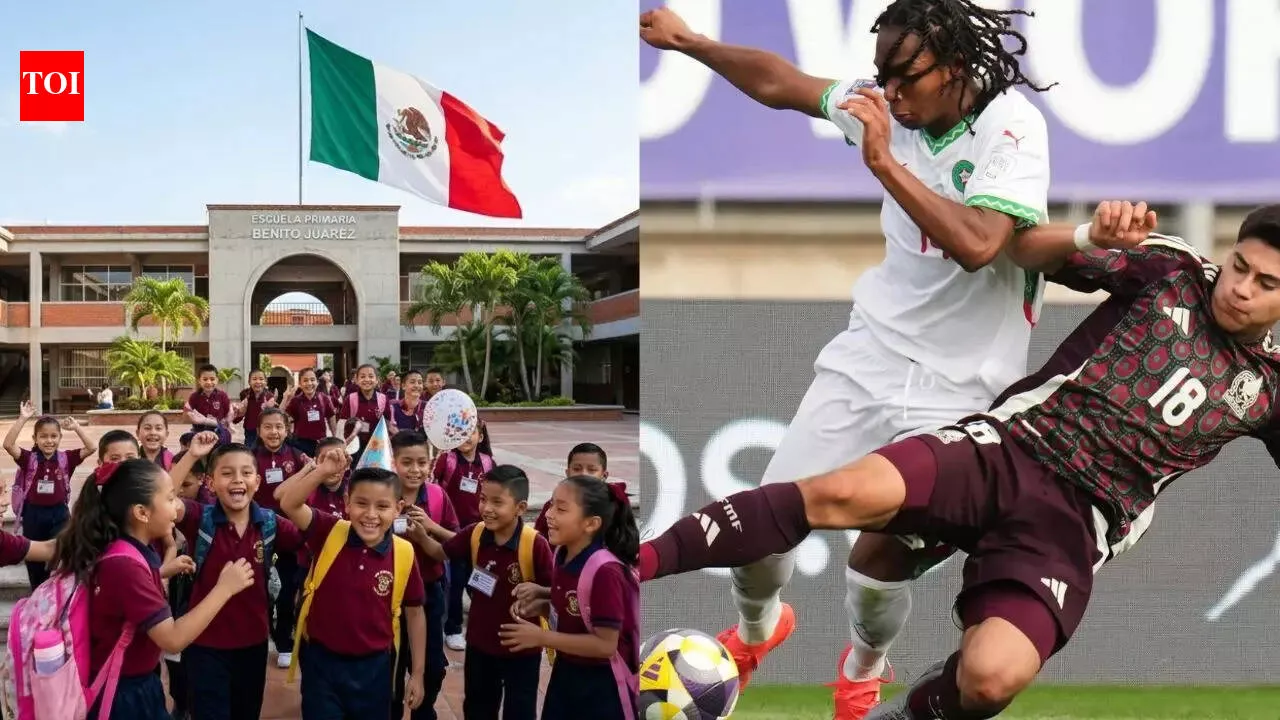
With the FIFA World Cup 2026 on the horizon, Mexico, one of the tournament's tri-nation hosts alongside the United States and Canada, is contemplating a significant adjustment to its academic calendar. The proposal to end the school year a month early has ignited protests among parents, reflecting the complex balance between hosting global events and managing domestic priorities.
World Cup Preparations in Full Swing
As Mexico prepares to welcome the world for the 2026 FIFA World Cup, the government is facing logistical challenges. One such measure includes potentially adjusting the school calendar to accommodate the influx of international visitors and the associated need for infrastructure and security support. This proposal suggests an early end to the school year, giving way to the final preparations for the event.
Parental Concerns and Protests
The proposal has met with resistance from parents across the nation. Many argue that the disruption to education could have long-term impacts on students, particularly those preparing for important exams. Parents have organized protests in various cities, voicing concerns over the prioritization of a sporting event over education.
"While we understand the importance of the World Cup, our children's education should not be compromised," said Maria Gonzalez, a parent from Mexico City. "We need a solution that respects both the event and our kids' learning."
Government's Response
In response to the protests, government officials have expressed willingness to engage in dialogue with concerned parties. The Ministry of Education has assured parents that any decision will prioritize educational outcomes, indicating that they are exploring alternative solutions, such as extending the school year or enhancing online learning opportunities.
"Our goal is to ensure that Mexico shines on the global stage while maintaining our commitment to education," a spokesperson from the Ministry of Education stated.
Looking Ahead
As discussions continue, the eyes of both the soccer world and the Mexican public remain on the government. The decision will serve as a crucial test of how effectively a nation can balance hosting an international sporting event with domestic responsibilities. With the World Cup set to kick off in June 2026, the timeline to finalize such decisions is pressing.
The outcome of these deliberations will likely set a precedent for how future sporting events are managed in countries with significant educational and infrastructural needs. For now, parents and educators alike remain hopeful for a solution that satisfies all parties involved.
Read Full Article Here