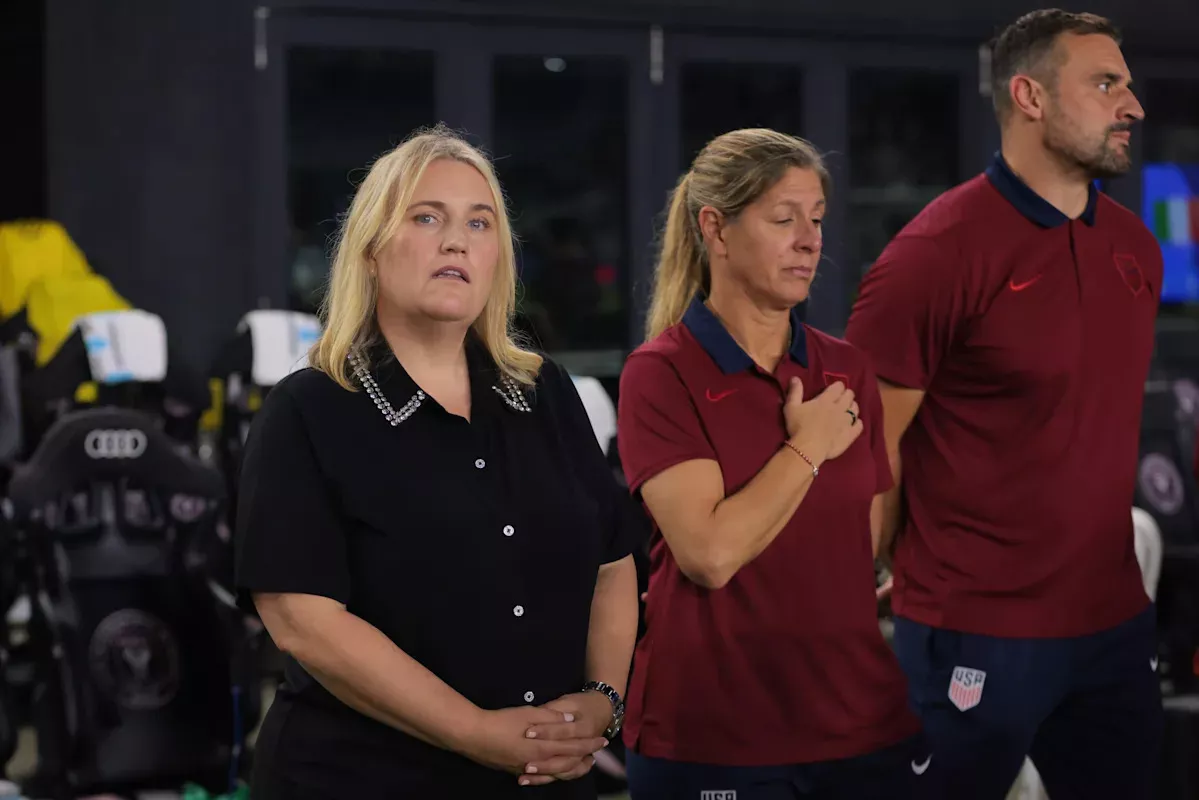
In a groundbreaking move towards promoting gender equality in soccer, FIFA has announced a new rule mandating the presence of female coaches at all major women's tournaments. This initiative is set to begin with the upcoming FIFA Women's World Cup, as the organization seeks to enhance female representation and leadership in the sport.
Details of the New Rule
FIFA's decision comes after extensive consultations with stakeholders across the globe, including national federations, players' associations, and coaching bodies. The new regulation requires that each participating team in FIFA-sanctioned women's tournaments must include at least one female coach in their technical staff.
By implementing this rule, FIFA aims to address the long-standing gender disparity in coaching roles, providing more opportunities for women to showcase their expertise and leadership on the international stage. The new mandate is expected to be in full effect by the 2027 FIFA Women's World Cup.
Impact on the Soccer Community
This decision has been met with widespread support from various corners of the soccer community. Players, coaches, and fans alike have lauded FIFA's commitment to fostering a more inclusive environment. Many believe that this rule will not only pave the way for more women to enter the coaching ranks but also inspire young girls to pursue careers in sports management and coaching.
"This is a huge step forward for women's soccer," said Mia Hamm, a former U.S. Women's National Team star. "Having female coaches brings diverse perspectives to the game and helps create role models for future generations."
Challenges and Opportunities
While the rule is a positive step, it also presents certain challenges. National federations will need to invest in the development and training of female coaches to ensure they are adequately prepared for the demands of international competition. This will require more resources and support at the grassroots and elite levels.
On the flip side, this rule opens up numerous opportunities for women in soccer. With increased visibility and representation, female coaches can contribute significantly to the evolution of the game, bringing fresh ideas and strategies to the table.
Looking Ahead
As FIFA continues to champion gender equality, the success of this initiative will largely depend on the collaboration between the organization, national federations, and the broader soccer community. By working together, stakeholders can ensure that female coaches not only participate but thrive in their roles, ultimately enriching the sport for everyone involved.
With the implementation of this rule, the future of women's soccer looks promising, setting the stage for a more equitable and diverse sporting landscape.
Read Full Article Here