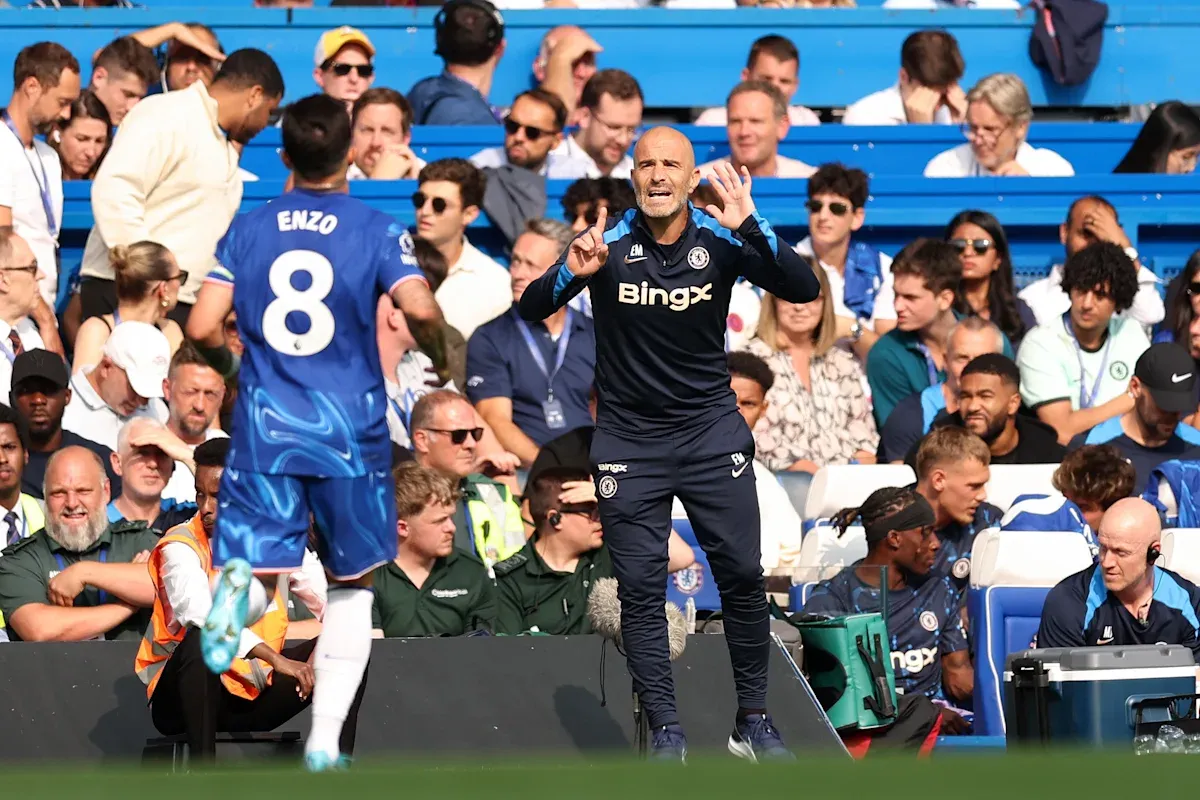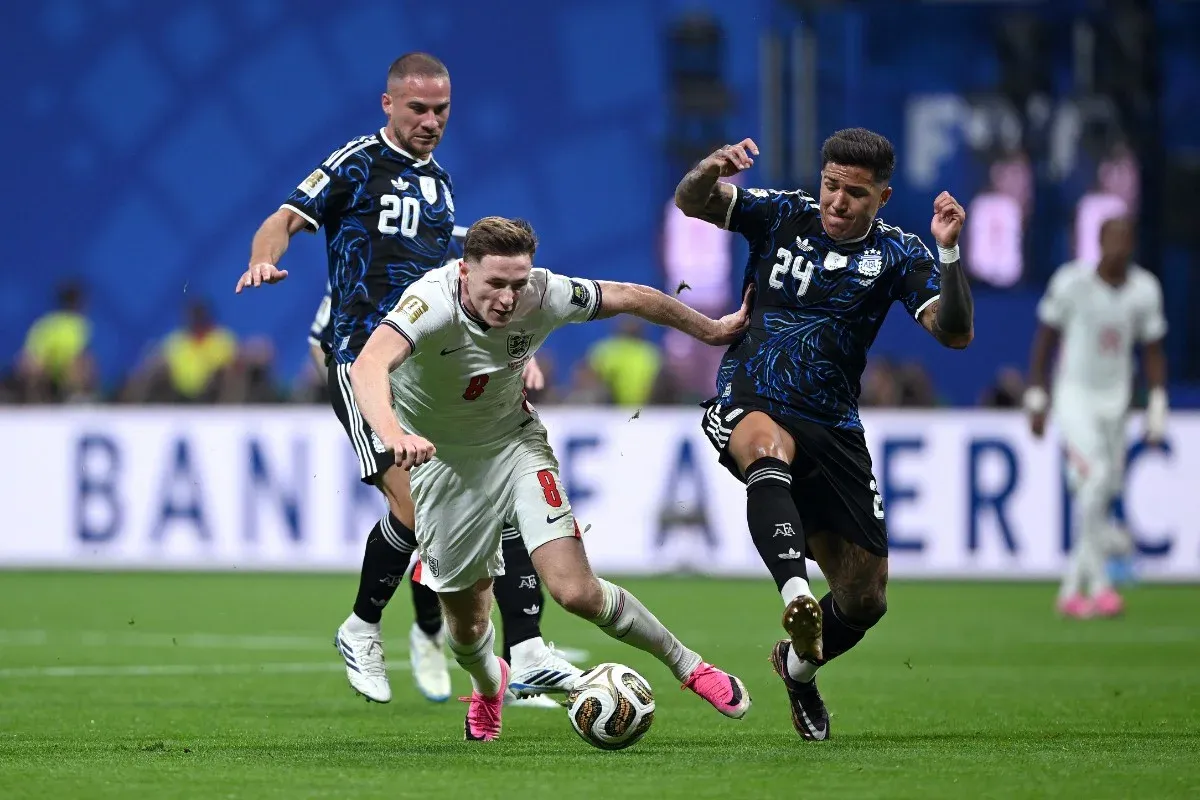

In the world of college soccer, a unique tactical element sets it apart from its professional counterpart—the substitution rule. Unlike the professional game, where substitutions are limited, college soccer allows for unlimited substitutions. This rule, while beneficial for player rotation and managing fatigue, presents a significant challenge in terms of player development and game strategy.
The Impact on Player Development
One of the critical aspects of player development is learning to manage and sustain energy throughout a match. In professional leagues, where substitutions are capped, players must develop stamina and tactical awareness to maintain their performance over 90 minutes. However, in college soccer, the frequent substitutions can potentially hinder the development of these skills, as players may not experience the full demands of a continuous match. Coaches often rotate players to maintain high energy levels, but this can reduce the opportunity for individuals to adapt to the natural ebb and flow of a game.
Tactical Implications of Unlimited Substitutions
Unlimited substitutions also significantly impact game tactics. College coaches can use this rule to maintain a high-pressing style throughout the match, knowing that they can rotate players to keep fresh legs on the pitch. While this can lead to exciting, fast-paced games, it also means that teams may not develop the intricate tactical setups seen in leagues with substitution limits. The constant influx of fresh players can disrupt the rhythm of the game, making it challenging to establish and maintain strategic patterns.
Balancing Act: Pros and Cons
While the substitution rule allows for more players to gain match experience, which is particularly beneficial in a developmental league, it also raises questions about whether it prepares athletes for the professional level. The transition from college to professional soccer can be stark, as former collegiate players must quickly adapt to the endurance and tactical discipline required at higher levels.
Moreover, the frequent stoppages due to substitutions can affect the flow of the game, potentially reducing the overall spectator experience. Fans accustomed to the fluidity of professional matches may find the college game's frequent interruptions jarring.
Conclusion: Finding a Middle Ground
As college soccer continues to grow in popularity and importance, discussions about aligning its rules more closely with the professional game are inevitable. Finding a balance that maintains player development opportunities while preparing athletes for professional careers could involve revisiting the substitution policy. As stakeholders in the sport seek to enhance the college soccer experience, both for players and fans, addressing the substitution effect remains a key consideration.
Read Full Article Here