
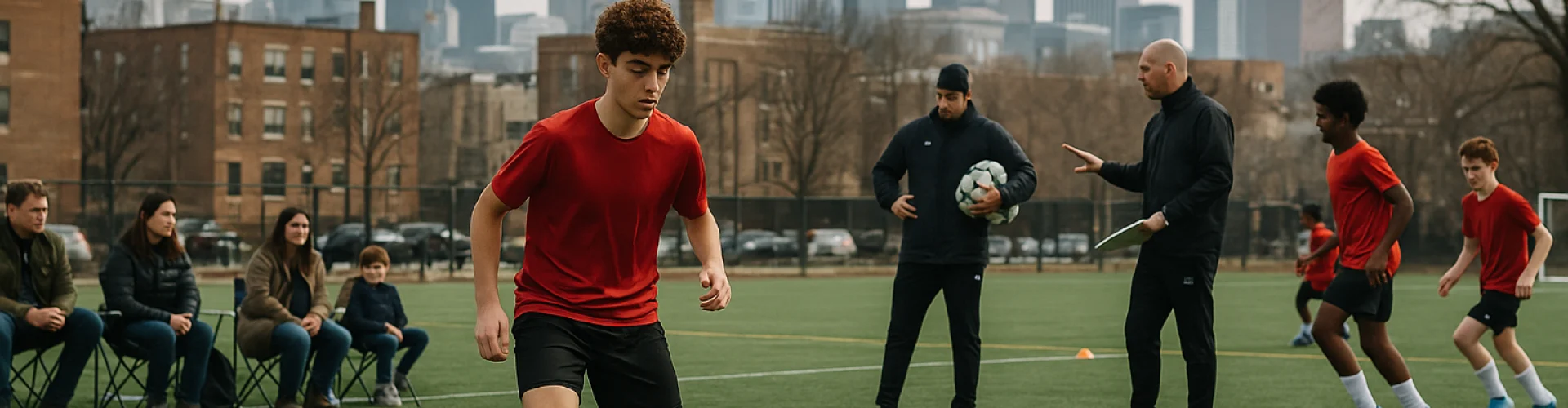
Chicago's vibrant soccer scene offers an array of clubs for young players, each with its own approach to developing talent, selecting coaches, and building team culture. For parents and young athletes navigating this landscape, understanding the nuances of each club can be daunting. This article explores how Chicago soccer clubs operate and provides valuable insights to help families make informed decisions.
Developing Players: A Focus on Growth
Each soccer club in Chicago has its own philosophy on player development, which can significantly influence a player's growth trajectory. Clubs such as the Chicago Fire FC Academy emphasize a comprehensive development model that integrates technical skills, tactical awareness, and character building. Their approach is holistic, aiming to prepare players for professional careers or collegiate opportunities.
Other clubs, like the Chicago Magic Soccer Club, focus on technical excellence and competitive play, often engaging in tournaments and leagues that challenge players to perform at the highest levels. These clubs provide robust training regimes, often with a greater emphasis on game situations and competitive readiness.
Customizing Training Programs
Some clubs offer specialized training programs that cater to different age groups and skill levels. This allows players to develop at their own pace while still being challenged. For instance, younger players might focus on foundational skills and small-sided games, while older players might engage in advanced tactical training and strength conditioning.
Coach Selection: Ensuring Quality and Expertise
The quality of coaching staff is a critical component of any soccer club’s success. Many Chicago clubs prioritize hiring experienced coaches with strong credentials. These coaches often bring a wealth of experience from playing professionally or having advanced coaching certifications.
For example, the FC United Soccer Club is known for its rigorous selection process for coaches, ensuring that only those with proven track records and a passion for youth development are hired. This focus on quality ensures that players receive the best possible instruction and mentorship.
Ongoing Coach Development
In addition to hiring skilled coaches, many clubs invest in ongoing professional development to keep coaches updated on the latest training methodologies and sports science advancements. This commitment ensures that players are learning from coaches who are continually improving their own skills and knowledge.
Building Culture: Fostering a Positive Environment
Club culture can profoundly affect a player's experience and development. Chicago clubs like the Windy City Pride are celebrated for their inclusive and supportive environments, where the emphasis is on teamwork, respect, and community involvement. These clubs often engage families and encourage parental participation, creating a strong support network around young players.
On the other hand, clubs with a more competitive nature might focus on fostering resilience and mental toughness, preparing players for the pressures of high-level competition. Understanding a club's culture is crucial for players who need an environment that aligns with their personal values and goals.
Community Engagement
Many clubs also prioritize community engagement, organizing events and outreach programs that allow players to give back to the community and learn the importance of social responsibility. These initiatives can be a meaningful aspect of a player's development, instilling values that go beyond the soccer field.
Helping Families Compare Programs
For families trying to decide which club is best, considering their child's unique needs and goals is essential. Factors such as location, cost, time commitment, and the club's track record in player development should all be part of the decision-making process.
- Location and Accessibility: Choose a club that is conveniently located to avoid excessive travel time, which can impact a player's enthusiasm and availability.
- Cost: Understand the fee structure, including hidden costs for travel, uniforms, and tournaments.
- Time Commitment: Assess the training schedule and match commitments to ensure they align with your family's lifestyle and the player's academic responsibilities.
- Track Record: Research the club's history of player development and success in placing players in college programs or professional pathways.
Ultimately, the best club for your child will be one that aligns with their personal goals and provides a supportive environment for growth. By carefully evaluating each club's approach to player development, coaching quality, and cultural values, families can make informed decisions that set their young athletes on a path to success both on and off the field.