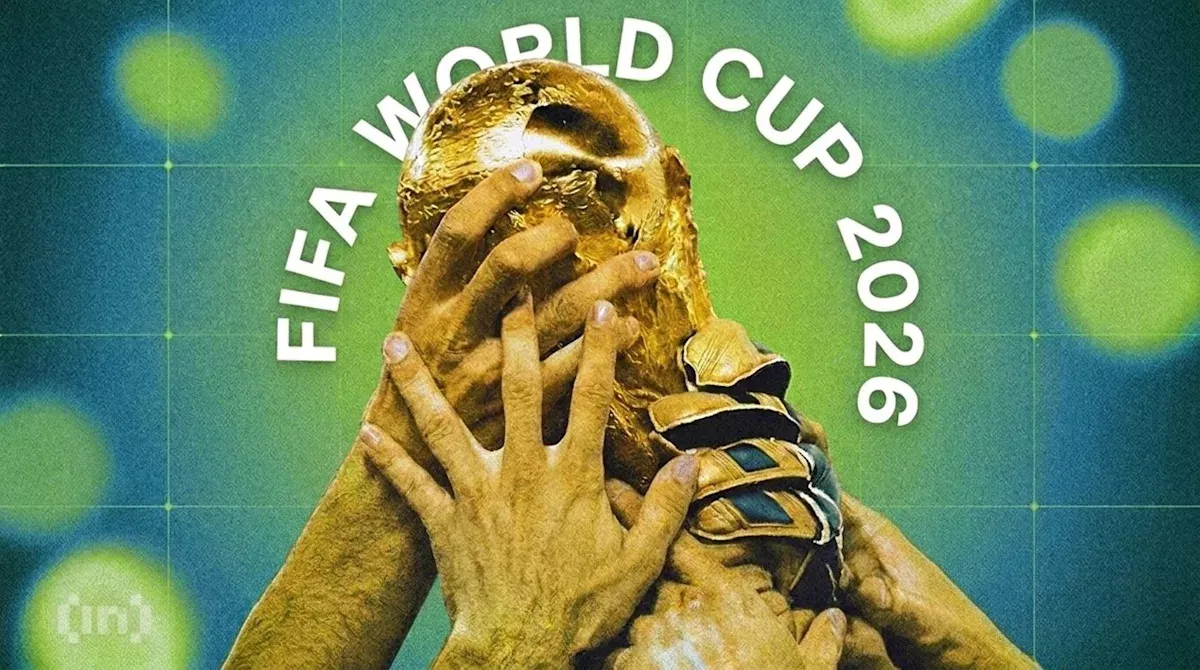
In an unprecedented move, FIFA has announced a significant discount on World Cup broadcasting rights and merchandising, a strategy influenced heavily by China’s economic leverage and growing interest in global soccer. This development is set to reshape the financial landscape of the world's most-watched sporting event.
China’s Rising Influence in Global Soccer
China has been making concerted efforts to establish itself as a soccer powerhouse. With investments in domestic leagues and international partnerships, the nation is keen to elevate its status in the soccer world. This ambition coincides with FIFA’s goals of expanding the sport's global reach, particularly in Asia.
Since the early 2000s, China has ramped up its involvement in soccer, both through its domestic league, the Chinese Super League, and by hosting international tournaments. The nation’s burgeoning middle class and appetite for international sports have made it a critical market for FIFA.
FIFA’s Strategic Discount
The discount on World Cup-related expenses is seen as a strategic move to ensure continued engagement from Chinese broadcasters and sponsors. By reducing costs, FIFA hopes to maintain, if not increase, the level of participation from Chinese media companies and sponsors in upcoming tournaments.
According to insiders, the discounts could be as high as 20% for the upcoming World Cup cycle, a move that is likely to attract more Chinese companies eager to associate with the prestigious event and enhance their brand visibility on a global platform.
Impact on Global Soccer
FIFA’s decision is expected to have ripple effects across the soccer world. By making the World Cup more accessible, the organization is not only catering to the Chinese market but also opening doors for broader Asian participation. This could potentially lead to increased viewership and revenue from the region, helping to offset any immediate financial losses from the discounts.
- Increased Accessibility: Lower costs mean more broadcasters can afford to air the tournament, potentially increasing global viewership.
- Enhanced Sponsorship Opportunities: Chinese brands might seize the opportunity to sponsor the World Cup, further embedding themselves in the global market.
- Strengthening Soccer’s Global Footprint: By engaging China more deeply, FIFA is effectively expanding its reach and influence in one of the world’s largest markets.
As the soccer world eagerly anticipates the next World Cup, FIFA’s innovative approach could set a new precedent in how major sporting events are marketed and monetized globally. With China at the forefront of this shift, the future of international soccer seems poised for dynamic changes.
Read Full Article Here