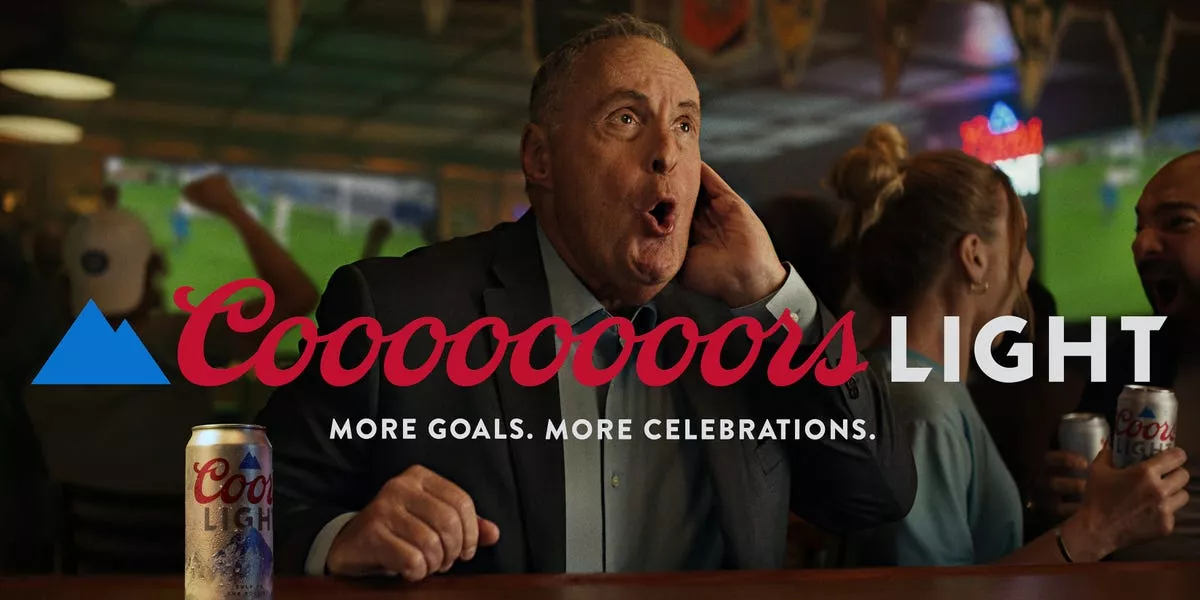
The beer industry in the United States has been facing a significant decline in sales over recent years. With shifting consumer preferences and increased health consciousness, many Americans are opting for alternatives like craft cocktails and non-alcoholic beverages. However, the upcoming 2026 World Cup, set to be hosted in North America, offers a unique opportunity to reverse this trend.
The Decline in Beer Sales
Data from the Brewers Association indicates that beer sales, particularly among younger demographics, have been on a steady decline. The rise of wellness trends and the popularity of craft beers have fragmented the market, leaving traditional lagers and ales with fewer consumers. This evolution in drinking habits poses a challenge for large beer manufacturers who have dominated the market for decades.
World Cup 2026: A Potential Game Changer
The 2026 World Cup, which will be jointly hosted by the United States, Canada, and Mexico, is expected to draw millions of fans to stadiums and viewing parties. This influx of soccer enthusiasts provides a ripe environment for beer companies to re-engage with their audience. Historically, major sporting events have driven beer consumption, creating a festive atmosphere synonymous with beer drinking.
- Engagement Strategies: Beer brands are likely to ramp up marketing efforts, tapping into the World Cup's global appeal and the patriotic fervor that tends to accompany such events.
- Innovative Offerings: Expect to see new product launches, including limited edition brews and World Cup-themed packaging, aimed at capturing the excitement of the tournament.
- Partnerships and Sponsorships: Aligning with popular teams or securing sponsorship deals can enhance visibility and brand association with the thrilling atmosphere of the World Cup.
Challenges Ahead
Despite the opportunity, beer companies must navigate challenges like increased competition from other beverage segments and evolving consumer preferences. The success of this potential resurgence will depend on the ability of brands to innovate and connect with consumers in meaningful ways.
As the countdown to the 2026 World Cup begins, all eyes will be on how effectively the beer industry can capitalize on this global event to reinvigorate its market in the U.S. After all, nothing pairs quite like a cold beer and a thrilling soccer match under a summer sky.
Read Full Article Here