
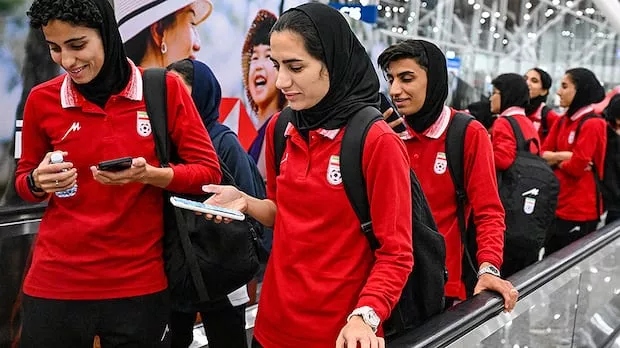
In a move that underscores its commitment to human rights and sporting integrity, Australia has granted asylum to two additional members of the Iranian women's soccer team. This decision follows recent political turmoil in Iran, where female athletes have faced increasing pressure and restrictions.
Background of the Situation
The Iranian women's soccer team has been in the spotlight due to the country's stringent regulations and the socio-political climate that restricts women's freedoms. Over the past year, several athletes have sought refuge in other countries, citing fears of persecution and a desire for a safer environment to pursue their careers.
Australia, known for its progressive stance on human rights, has been a key player in providing sanctuary to these athletes. This latest development marks a continuation of its policy to offer refuge to those facing oppression.
Implications for the Players
These athletes will now have the opportunity to continue their careers without the looming threat of political interference. Australia offers a robust infrastructure for soccer development, which could be instrumental in helping them reach their potential.
Their arrival also highlights the increasing international focus on the plight of Iranian women and the broader issues of gender equality in sports. The international community has been vocal in its support, calling for more countries to follow Australia's lead.
Australia's Role in Humanitarian Efforts
This decision is not isolated, as Australia has a history of welcoming athletes and individuals facing persecution. The country’s sports organizations and government bodies have coordinated efforts to ensure that these athletes are not only safe but also integrated into the sporting community.
By extending asylum, Australia sends a powerful message about the role of sports as a platform for change and its commitment to offering refuge to those who need it. As these athletes settle into their new lives, they serve as a testament to the courage and resilience of women who continue to fight for their rights on and off the field.
Read Full Article Here