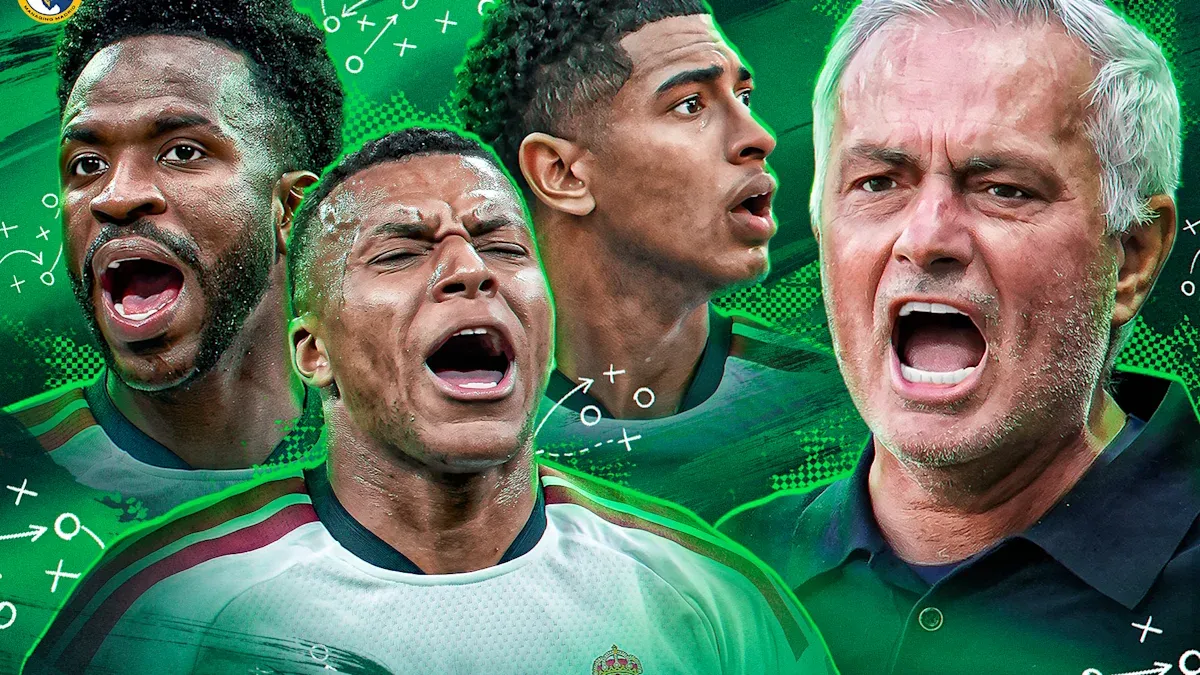
Real Madrid, one of the most storied clubs in soccer history, has recently adopted a more passive playing style under manager Carlo Ancelotti. While this approach has occasionally paid dividends, it has also exposed vulnerabilities that opponents have been quick to exploit. In this analysis, we delve into the tactical nuances and the risks involved with this strategy.
The Tactical Shift
Under Ancelotti's leadership, Real Madrid has increasingly relied on a more reactive game plan. This involves sitting deeper, absorbing pressure, and hitting opponents on the counter-attack. While this can be effective against teams that play high lines, it also cedes control of the game to the opposition, as seen in recent clashes such as the 3-1 defeat to Atlético Madrid in September 2023.
Midfield Dynamics
The midfield, traditionally Madrid's stronghold, now operates with a focus on intercepting and launching quick breaks rather than dictating play. Players like Luka Modrić and Toni Kroos, who excel at possession-based play, are finding themselves dropping deeper to support the defense, which diminishes their impact on the attacking third.
Defense Under Siege
This passive approach places significant pressure on the defense. Real Madrid's backline, featuring stalwarts like David Alaba and Éder Militão, faces increased exposure as they contend with waves of attacks. The recent 2-2 draw with Girona highlighted these vulnerabilities, with the defense conceding goals due to sustained pressure and lapses in focus.
Opportunities for Opponents
Opponents have begun to capitalize on this passivity by maintaining possession and dictating the game's tempo. By pressing high and maintaining aggressive offensive structures, teams like Real Sociedad have managed to neutralize Madrid's counter-attacking threat, forcing them into uncomfortable defensive positions.
The Road Ahead
As Los Blancos navigate a challenging La Liga and Champions League campaign, the question remains whether this passive strategy will yield consistent results. With upcoming matches against high-pressing teams such as Barcelona and Sevilla, Ancelotti may need to adjust tactics to regain control and assert their dominance on the field.
In conclusion, while Real Madrid's passivity can be a strategic advantage, it also opens doors for opponents to thrive. Balancing this approach will be key to maintaining their status as one of Europe's elite clubs.
Read Full Article Here