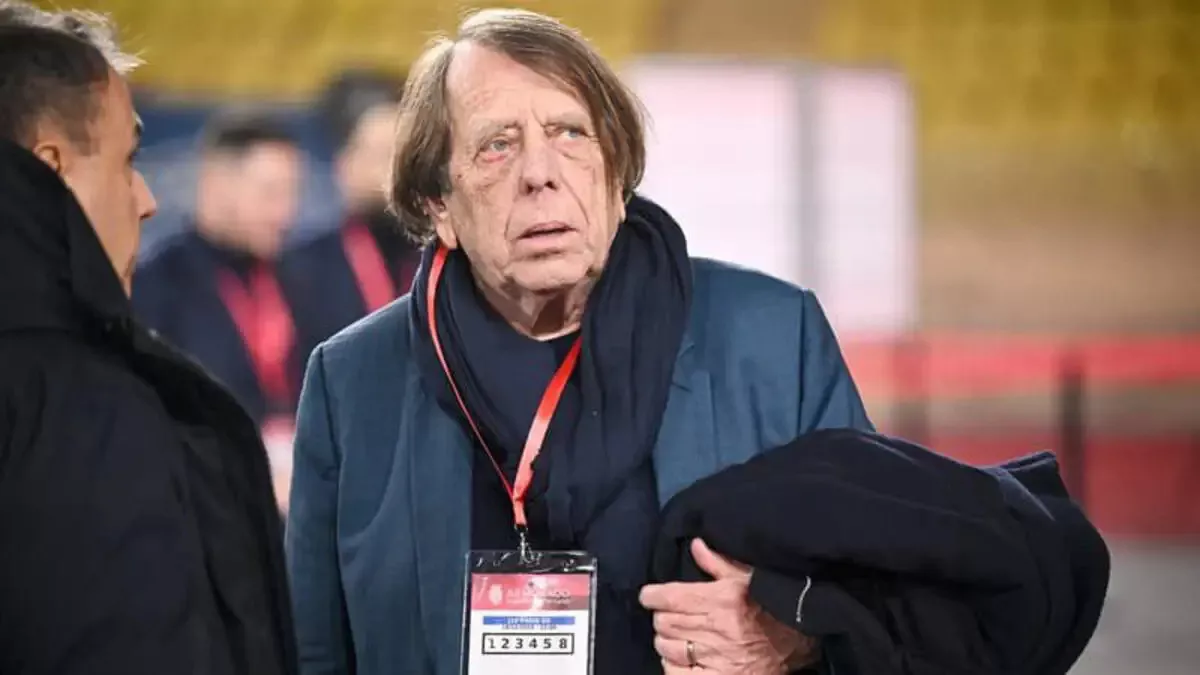
In a bold and controversial move, seasoned French soccer coach Claude Le Roy has called for African nations to boycott the 2026 FIFA World Cup. Le Roy, known for his extensive coaching career in Africa, made his stance clear in a recent interview, emphasizing issues regarding representation and fairness in global football.
Le Roy's Concerns
Claude Le Roy, who has managed several African national teams including Cameroon, Senegal, and Togo, believes that Africa is not receiving sufficient representation or respect on the world stage. His concerns stem from the allocation of slots for African teams in the World Cup and the growing influence of European clubs on African talent.
"It’s time for Africa to take a stand," Le Roy stated, highlighting the need for a more equitable system that truly reflects the continent’s contribution to world football. "The expansion of the World Cup to 48 teams must benefit Africa more significantly."
Africa's Representation at the 2026 World Cup
The 2026 World Cup, set to take place in the United States, Canada, and Mexico, will be the first to feature 48 teams. While FIFA has increased the number of spots for African teams from five to nine, Le Roy argues that this is still inadequate given the continent’s size and passion for the sport.
Many African football fans and analysts share Le Roy’s sentiments, feeling that the continent has long been underrepresented. They point to the consistent success of African players in top European leagues and the historical performance of African teams in international tournaments as evidence of the continent’s capability and potential.
Reactions from the Football Community
Le Roy’s comments have sparked a range of reactions from the global football community. Some support his call for a boycott, seeing it as a necessary step to prompt change, while others worry about the potential repercussions for African football development and exposure.
- Supporters: Advocates for the boycott argue it could force FIFA to reevaluate its policies and create a more balanced platform for all continents.
- Critics: Opponents fear that a boycott might isolate African teams and hinder young players’ opportunities to showcase their talent on the world stage.
Despite the mixed reactions, Le Roy’s call has undeniably reignited discussions about fairness and equality in international football. As the 2026 World Cup approaches, it remains to be seen whether his plea will lead to any significant changes in how the tournament is structured.
As the conversation continues, the focus will be on FIFA’s response and whether they will engage with African football leaders to address these pressing issues.
Read Full Article Here